
Broadband Internet Speed: 15 Smart Fixes That Actually Work

Slow Internet? Why Your Broadband Speed Feels Slower Than It Should.
Slow internet can instantly disrupt everything you do online — from video calls and online classes to gaming and streaming. Even a small drop in network performance can make a fast connection feel completely unusable.
Most users assume that upgrading their internet plan is the only solution. However, broadband internet speed issues are usually caused by simple technical problems, incorrect router setup, device overload, or network congestion.
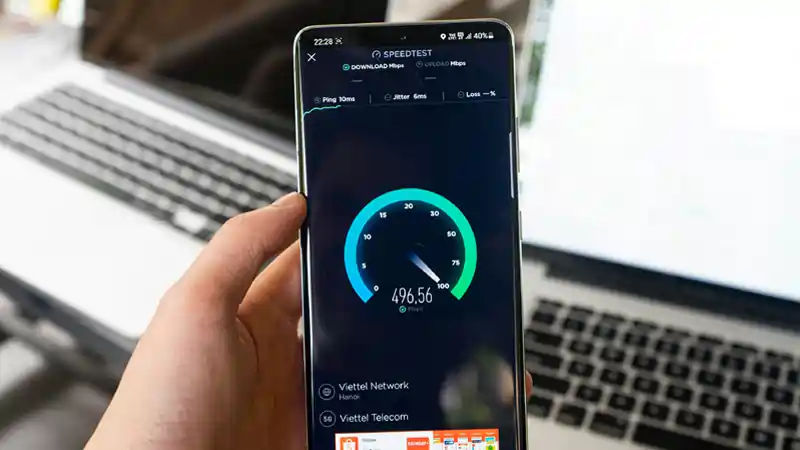
You can test your internet speed using Speedtest at different times of the day to understand how your connection behaves during peak hours.
This guide explains practical and real-world methods to improve broadband internet speed without changing your plan. These fixes are based on actual network behavior and modern optimization techniques.
Table of Contents
Why Your Internet Feels Slow Even With a Fast Plan
Many users subscribe to high-speed broadband plans but still experience buffering, lag, and slow downloads. The problem is rarely the internet plan itself — it is usually caused by WiFi signal issues, network congestion, device overload, or router limitations.
Even a 100 Mbps or 300 Mbps connection can feel slow if your network setup is not optimized. Understanding these hidden causes is the first step to fixing slow internet permanently.
What Causes Slow Broadband Internet Speed?
Before applying fixes, it is important to understand what actually slows down your internet. Even high-speed plans can perform poorly due to hidden issues.
- Weak WiFi signal caused by poor router placement
- Too many devices sharing the same network
- Background apps consuming bandwidth silently
- Outdated router firmware or hardware limitations
- ISP congestion during peak usage hours
- Signal interference from walls and electronics
How to Restart Your Router for Better Internet Speed
A proper router restart can fix many connectivity issues. Turn off your router for at least 60 seconds before restarting it. This clears temporary memory and refreshes ISP connection.
Best Router Placement for Strong WiFi Signal
- Place router in a central location
- Keep it elevated (not on the floor)
- Avoid walls and closed cabinets
- Keep away from microwaves and heavy electronics
Switch to 5GHz for Faster Internet Performance
5GHz provides faster speeds for nearby devices, while 2.4GHz offers longer range but lower performance. Choosing the right band improves overall speed instantly.
Reduce Connected Devices to Improve Speed
Every connected device consumes bandwidth. Too many devices reduce overall internet performance significantly.
How Smart Home Devices Can Slow Down Internet
Smart TVs, CCTV cameras, Alexa devices, and IoT gadgets stay connected constantly and consume background bandwidth even when not actively used.
Stop Background Apps That Slow Internet
- Pause system updates
- Disable cloud syncing
- Close heavy background apps
Hidden Background Data That Affects Speed
Many apps silently run background processes such as syncing and updates. These reduce available bandwidth without user awareness.
Change DNS Settings for Faster Browsing
- Google DNS: 8.8.8.8 / 8.8.4.4
- Cloudflare DNS: 1.1.1.1 / 1.0.0.1
You can learn more about DNS settings and how they affect browsing speed.
Update Router Firmware for Better Stability
Old firmware can cause slow performance, connection drops, and instability. Always keep router software updated.
Router Overheating and Internet Speed Issues
Routers that run continuously can overheat, leading to unstable connections. Proper ventilation improves performance and stability.
Use Ethernet Cable for Maximum Stability
Ethernet provides a direct wired connection, offering more stable and consistent broadband internet speed compared to WiFi.
Check Internet Speed During Peak Hours
If your internet slows in the evening but works fine during the day, the issue is likely ISP congestion. This usually happens due to network congestion during busy hours.

Secure Your WiFi Network
- Use WPA2 or WPA3 encryption
- Set a strong password
- Monitor connected devices regularly
When to Upgrade Your Router
Older routers may not support modern high-speed internet plans efficiently. Upgrading improves speed and stability.
How WiFi 6 and WiFi 6E Improve Internet Speed
WiFi 6 and WiFi 6E routers handle more devices efficiently and reduce congestion in busy networks, improving overall performance.
How WiFi 7 and Mesh Systems Improve Modern Home Internet
New WiFi 7 routers and mesh WiFi systems are designed for homes with many connected devices. They provide better coverage, faster speeds, and lower latency compared to traditional routers.
- Mesh WiFi eliminates dead zones in large homes
- WiFi 7 supports extremely fast wireless speeds
- Better performance for gaming and streaming
- Improved stability with multiple users online
Does VPN Affect Internet Speed?
VPNs can sometimes reduce speed due to extra routing. However, in some cases, they help bypass ISP throttling and improve stability.
How to Detect ISP Throttling
If certain apps are slow but others work fine, your ISP may be limiting bandwidth for specific services.
How to Test Internet Speed Correctly
Test your internet speed at different times of the day to understand real performance instead of relying on a single result.
Advanced Router Settings That Improve Speed
Features like QoS (Quality of Service) allow prioritization of important tasks like gaming and video calls. Changing WiFi channels can also reduce interference.

Network Interference Factors
Walls, mirrors, and electronic devices can reduce WiFi signal strength and impact overall speed.
How to Identify the Exact Cause of Slow Internet
- Test speed using Ethernet to compare WiFi performance
- Check speed during morning and evening hours
- Disconnect extra devices temporarily
- Restart modem and router separately
- Run speed tests from multiple devices
Practical Speed Improvement Checklist
- Restart router weekly
- Use 5GHz when possible
- Limit active devices
- Update firmware regularly
- Secure WiFi network
- Use Ethernet for critical tasks
FAQ: Broadband Internet Speed
1. Why is my broadband internet speed slow even with a high-speed plan?
Your internet may be slow due to weak WiFi signal, too many connected devices, background apps consuming bandwidth, outdated router hardware, or ISP congestion during peak hours.
2. How can I quickly improve my internet speed at home?
Restart your router, move it to a central location, switch to 5GHz WiFi, disconnect unused devices, and stop background downloads for instant improvement.
3. Does router placement affect internet speed?
Yes. Poor placement can significantly reduce WiFi signal strength. Keeping the router in a central, elevated position improves coverage and speed.
4. What is the difference between 2.4GHz and 5GHz WiFi?
2.4GHz offers longer range but slower speed, while 5GHz provides faster speed but works best at shorter distances.
5. Can too many devices slow down internet speed?
Yes. Every connected device shares bandwidth. More devices mean less speed for each device, especially during heavy usage.
6. Does using Ethernet improve internet speed?
Yes. Ethernet provides a direct wired connection, reducing interference and improving stability, speed, and latency.
7. Why is internet faster in the morning but slower at night?
This usually happens due to ISP congestion during peak evening hours when many users are online at the same time.
8. Can smart devices slow down WiFi?
Yes. Smart TVs, CCTV cameras, and IoT devices continuously use background data, which can reduce overall network performance.
9. How often should I restart my router?
Restarting your router once a week helps clear temporary cache and maintain stable internet performance.
10. Does upgrading my router improve speed?
Yes. Newer routers, especially WiFi 6 models, handle multiple devices better and improve overall network efficiency.
11. What is ISP throttling?
ISP throttling is when your internet provider intentionally slows down specific types of traffic like streaming or gaming during high usage.
12. How can I test my internet speed properly?
Test your speed multiple times during different parts of the day (morning, afternoon, evening, night) for accurate results.
13. Can browser cache slow down internet speed?
Yes. Excess cache and extensions can slow browsing performance even if your actual internet speed is fine.
14. What is the best DNS for faster internet?
Google DNS (8.8.8.8 / 8.8.4.4) and Cloudflare DNS (1.1.1.1 / 1.0.0.1) can improve browsing speed and response time.
15. Is WiFi 6 worth it for home internet?
Yes. WiFi 6 improves speed, reduces congestion, and performs better in homes with multiple connected devices.
Final Thoughts
Improving broadband internet speed is not just about upgrading your plan. Most issues can be solved through proper setup, optimization, and device management.
Small improvements like better router placement, reducing connected devices, and optimizing settings can significantly improve speed and stability without extra cost.