
7 Best Note-Taking Apps for Android (Tested & Ranked)
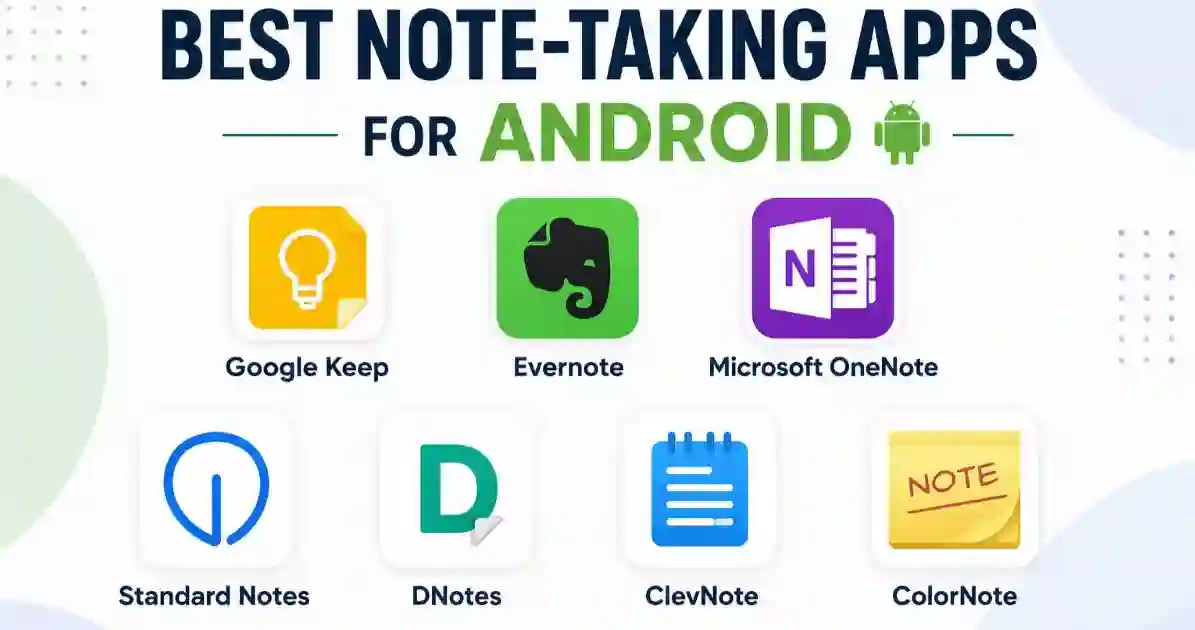
I compared the most popular note-taking apps for Android based on their features, ease of use, pricing, offline support, and cross-platform compatibility to help you find the right one for your needs.
What Makes a Great Note-Taking App?
Here’s the criteria used to evaluate every app on this list:
- Ease of use — Can you start taking notes without a tutorial?
- Organization features — Tags, notebooks, folders, color-coding
- Cross-device sync — Does it work across your phone, tablet, and desktop?
- Security — Can you lock sensitive notes?
- Offline access — Does it work without internet?
- Value — Is the free version genuinely useful?
The 7 Best Note-Taking Apps for Android
1. Google Keep — Best for Simplicity & Speed
- Best for: Quick notes, shopping lists, location-based reminders
- Price: Free
- Works with: Android, iOS, Web, Chrome extension
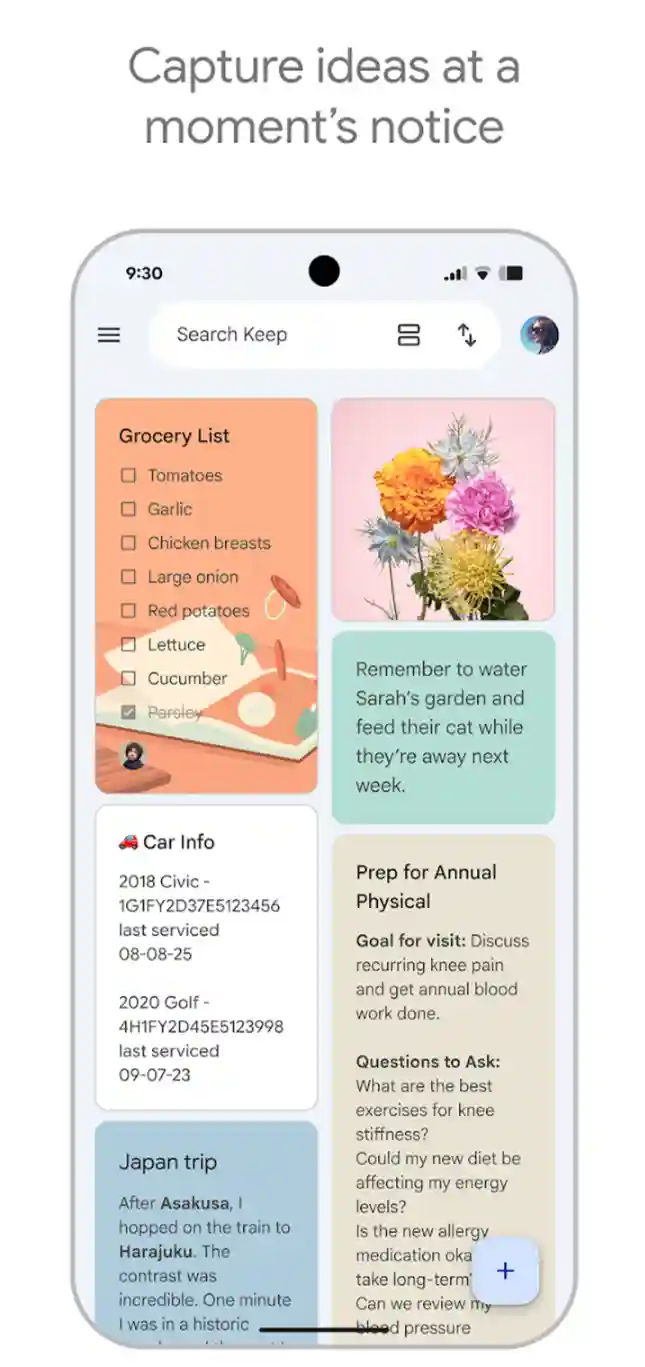
Google Keep is the note-taking app most Android users should start with. It’s built by Google, pre-installed on many devices, and syncs instantly across every device signed into your Google account.
Key Features:
- Clean, minimal interface — no learning curve
- Notes can be created by voice recording, image, handwriting, or typed text
- Location-based reminders are genuinely useful (e.g., a shopping list that pops up when you walk into a store)
- Color-coded notes make visual organization effortless
- Reminders sync across all your signed-in devices
Cons:
- Not ideal for long-form notes or complex projects
- No folder structure — only labels
- Limited formatting options
If you want to start taking notes in under 60 seconds with zero setup, Google Keep is your app.
2. Evernote — Best for Power Users & Heavy Note-Takers
- Best for: Research, large projects, cross-platform heavy use
- Price: Free (limited), Premium from $14.99/month
- Works with: Android, iOS, macOS, Windows, Web
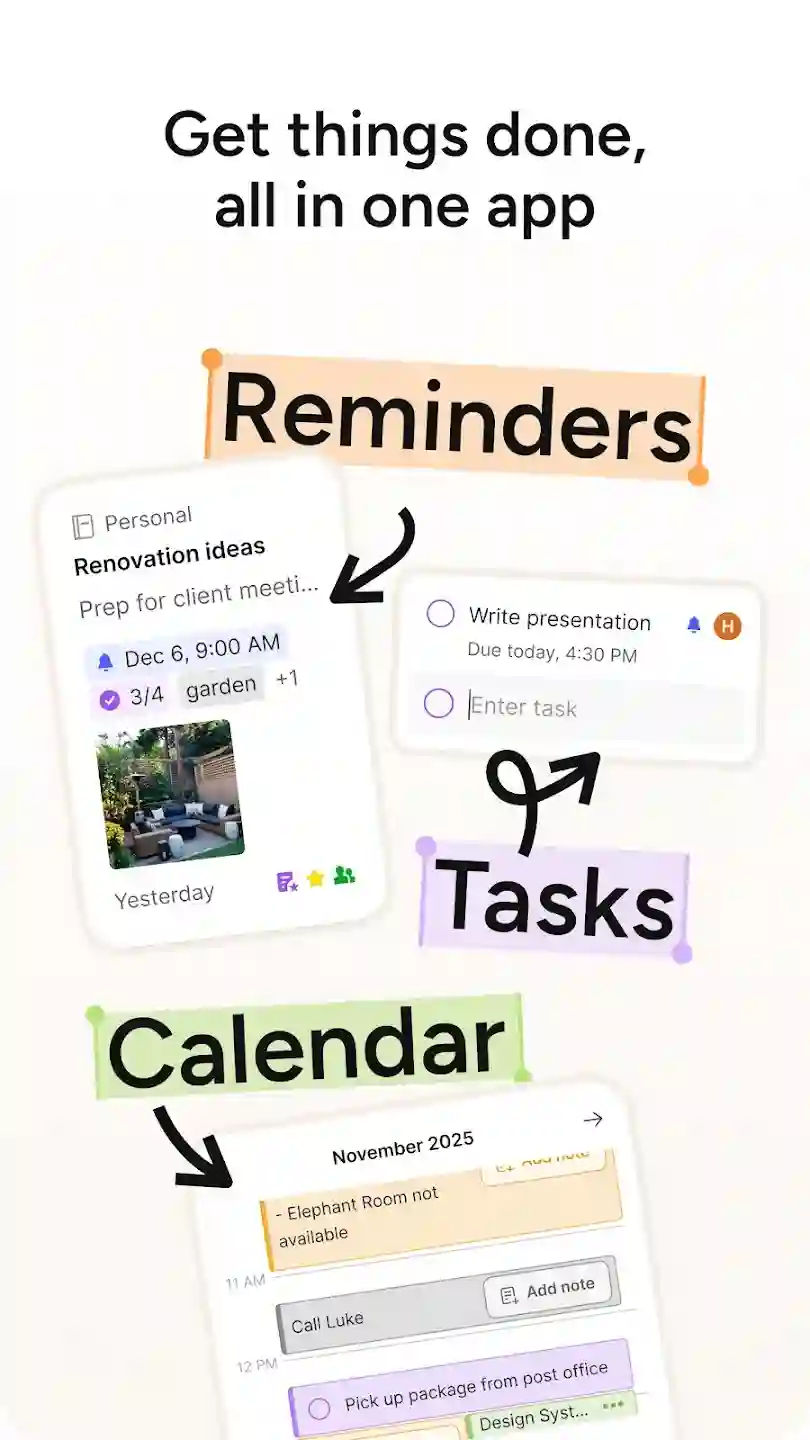
Evernote is one of the most feature-rich note-taking apps available. It’s been around since 2008 and remains the go-to tool for users who want granular control over how their notes are organized.
Key Features:
- Notes can be organized into notebooks and grouped into stacks of notebooks
- Powerful tagging system makes finding notes fast, even with thousands of them
- Supports notes via text, handwriting, audio recording, camera, and attachments
- Robust widgets for quick note access from your home screen
- Set reminders, create checklists, and compose plans all in one place
- Syncs across all your devices
Cons:
- Steeper learning curve than most competitors
- The free plan is now quite restricted (1 device, 60MB monthly upload limit)
- Premium pricing is on the higher side
If you’re managing a complex workflow or large volumes of notes, Evernote’s organizational depth is worth the investment.
3. Microsoft OneNote — Best for Teams & Office Users
- Best for: Work collaboration, Microsoft 365 users, brainstorming
- Price: Free with a Microsoft account
- Works with: Android, iOS, Windows, macOS, Web
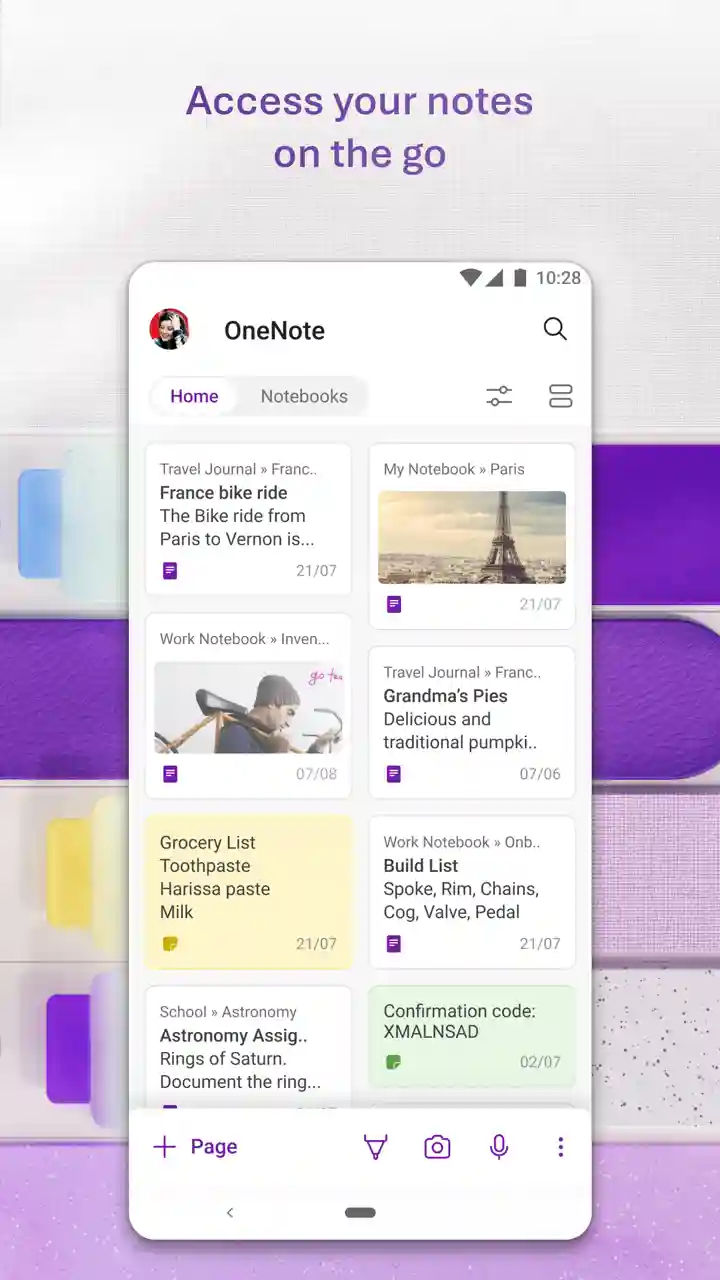
OneNote is Microsoft’s answer to Evernote, and it holds its own. If your workplace runs on Microsoft 365, OneNote is the natural choice — it integrates directly with Word, Excel, and Teams.
Key Features:
- Full collaboration support — share notebooks with teammates and edit simultaneously.
- Create notes via text, handwriting, drawing, or web clipping
- Organize with tags and labels for fast retrieval
- Seamless sync with Windows PCs and the full Microsoft ecosystem
- Free with no meaningful feature restrictions
Cons:
- The interface can feel cluttered on mobile compared to Keep or Scarlet Notes
- Less useful if you’re outside the Microsoft ecosystem
OneNote is the strongest free option for anyone who collaborates or works within Microsoft 365.
4. Standard Notes — Best for Privacy & Secure Note-Taking
Best for: Privacy-conscious users, secure note storage, cross-platform syncing
Price: Free (Premium plans available)
Works with: Android, iOS, Windows, macOS, Linux, Web
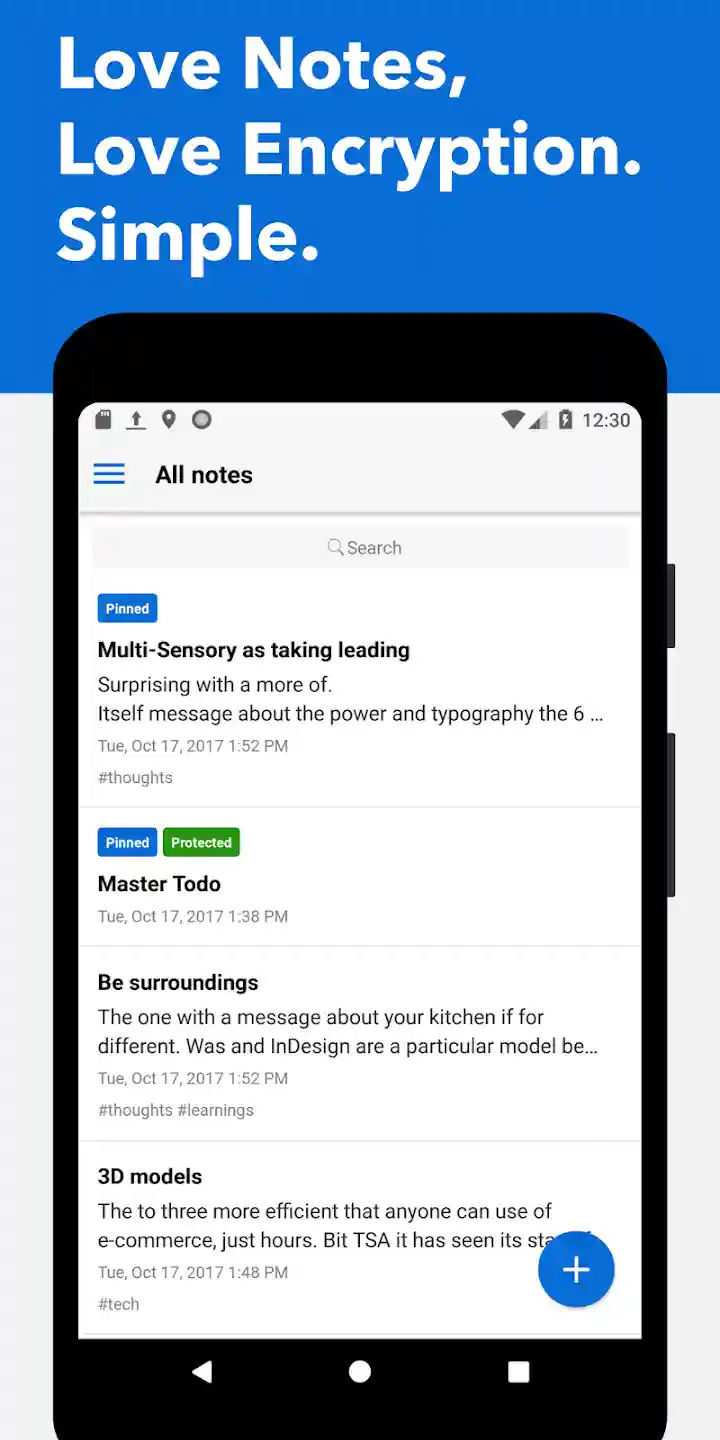
Standard Notes is a privacy-focused note-taking app designed for users who want secure, distraction-free note management. Unlike many note apps, it uses end-to-end encryption to help keep your notes private while syncing them across multiple devices.
Key Features
- End-to-end encryption for enhanced privacy
- Cross-platform support across Android, iOS, Windows, macOS, Linux, and the web
- Clean, minimalist interface with no unnecessary distractions
- Automatic syncing across devices
- Offline access with cloud synchronization when you’re back online
- Open-source application with regular updates
Cons
- Rich text editing and advanced features require a paid subscription
- The free version focuses on plain text notes
- Fewer productivity features than Evernote or OneNote
If privacy and security are your top priorities, Standard Notes is one of the best note-taking apps available for Android.
5. DNotes — Best Ad-Free Evernote Alternative
- Best for: Users who want simplicity without ads or forced accounts
- Price: Free (no ads)
- Works with: Android
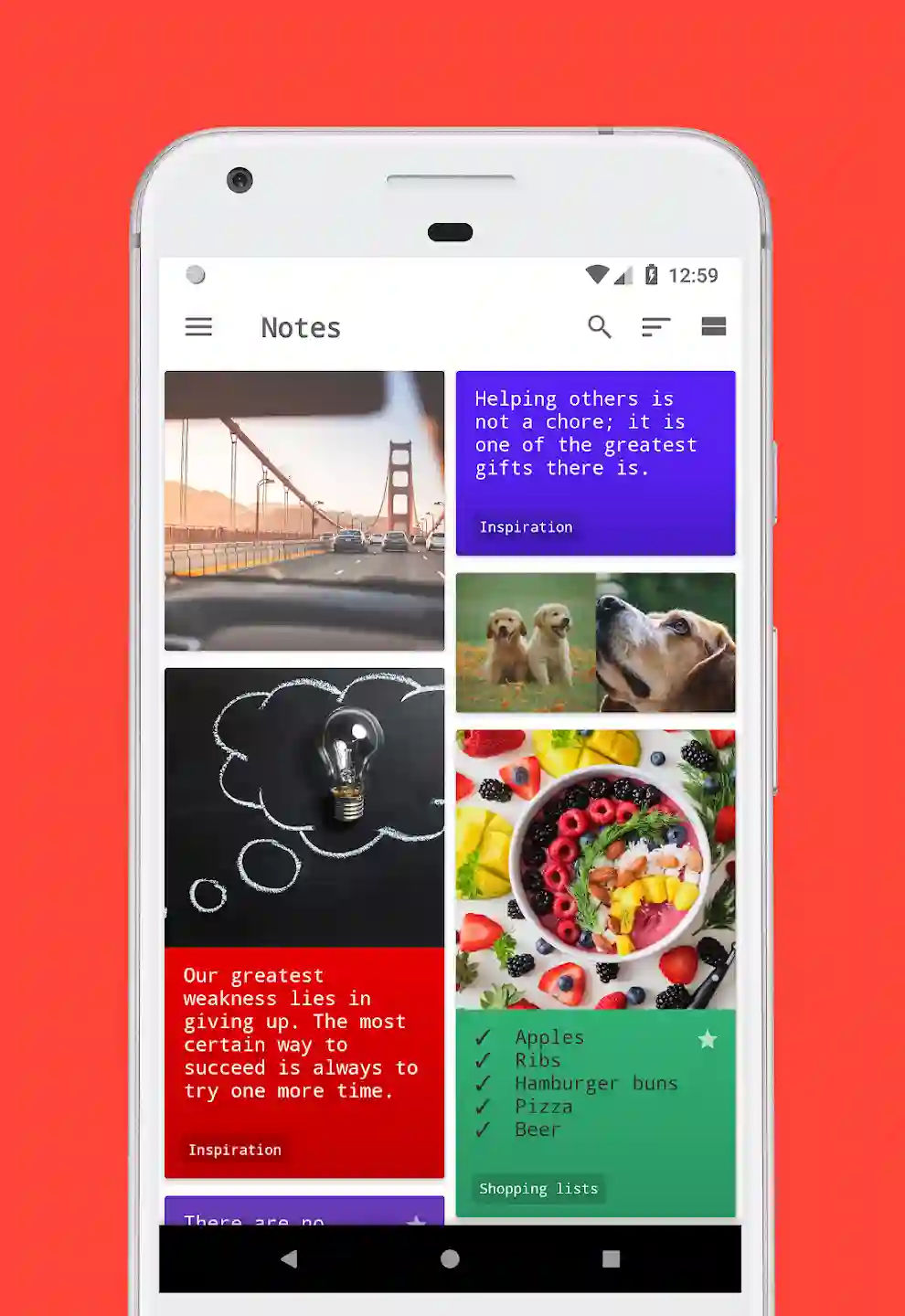
DNotes is what Evernote would look like if it stripped everything back to the essentials. It’s clean, fast, and refreshingly ad-free.
Key Features:
- No account required to get started — unlike most competitors
- Google Assistant integration: say “Take a note” and it lands directly in DNotes
- Back up notes to Google Drive or SD card
- Fingerprint lock for security
- Customizable themes and note colors
- Share and search notes easily
- Widgets included
Cons:
- No cross-platform desktop app
- Less feature depth than Evernote or OneNote
DNotes is the best choice if you want a no-fuss, no-ads, no-account note-taking experience.
6. ClevNote — Best for Daily Life Management
- Best for: Users who want a note app that doubles as a life organizer
- Price: Free (with ads)
- Works with: Android
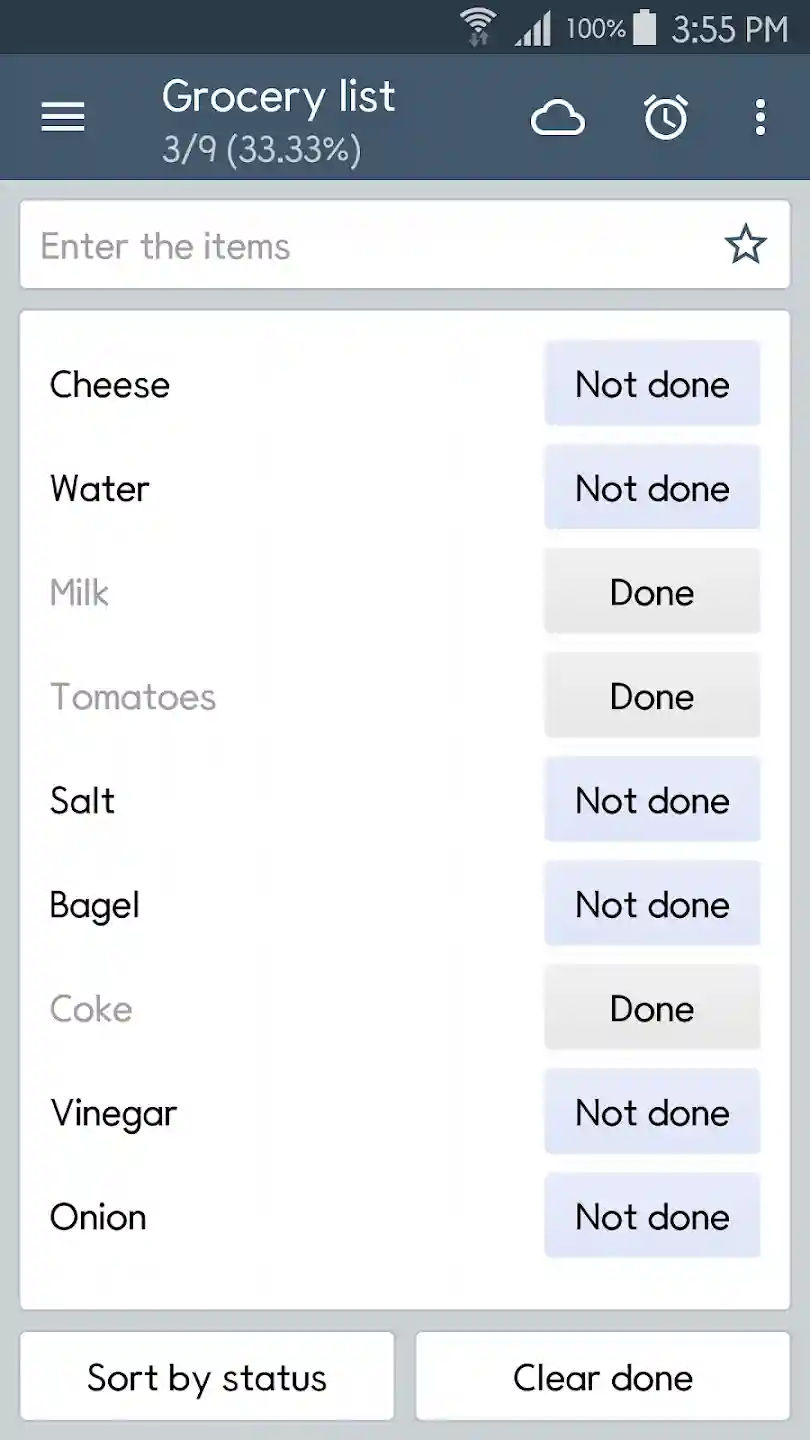
ClevNote goes beyond traditional note-taking by adding life-management features most apps don’t touch.
Key Features:
- Birthday and event reminders baked in
- “Website IDs” feature lets you save usernames and URLs for accounts
- Notes stored with AES encryption on-device
- Passcode lock for app-level security
- Google Drive backup supported
- Widgets available
Cons:
- Displays ads, which can be disruptive
- Interface feels less polished than competitors
If you want one app that handles notes, reminders, and basic credential storage, ClevNote is a creative pick.
7. ColorNote — Best for Checklists & Quick Access
- Best for: To-do lists, reminders, and note pinning.
- Price: Free
- Works with: Android
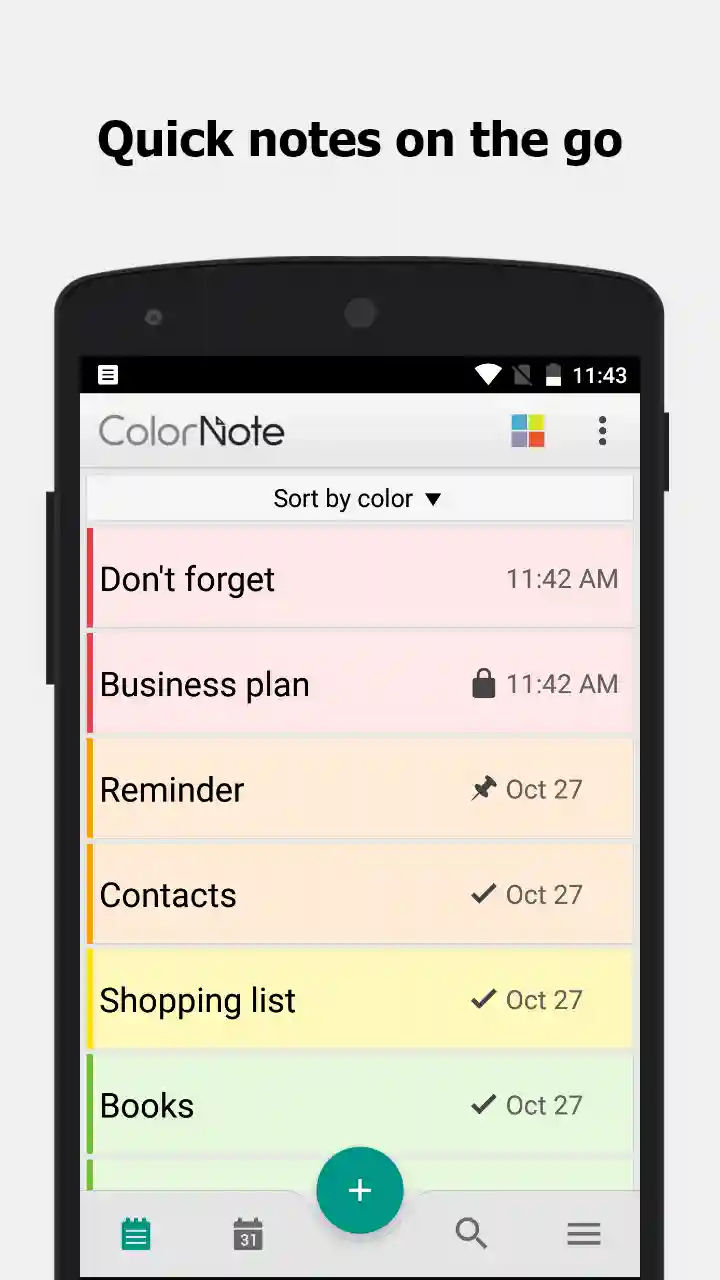
ColorNote is a straightforward, highly configurable app built around one idea: getting things out of your head quickly.
Key Features:
- Auto-save when you press the back button — no lost notes
- Auto-link detection — phone numbers and URLs in your notes become tappable
- Pin notes or checklists to the status bar for instant access
- Three themes, color-coded notes, and password protection
- Organize notes by day, share easily, and set reminders
- Online sync and backup
Cons:
- Older UI design compared to newer apps
- No handwriting or audio input
ColorNote is excellent for checklist-heavy users who want frictionless daily organization.
Side-by-Side Comparison
| App | Free Plan | Cross-Platform | Collaboration | Markdown | Offline | Ads |
|---|---|---|---|---|---|---|
| Google Keep | Full | Yes | No | No | Yes | No |
| Evernote | Limited | Yes | No | Premium | Yes | No |
| OneNote | Full | Yes | Yes | No | Yes | No |
| Scarlet Notes | Full | Android only | No | Yes | Yes | No |
| DNotes | Full | Android only | No | No | Yes | No |
| ClevNote | Full | Android only | No | No | Yes | Yes |
| ColorNote | Full | Android only | No | No | Yes | No |
/
Which App Should You Pick?
- Start here if you’re new: Google Keep
- Need serious organization: Evernote or OneNote
- Work in Microsoft 365: OneNote
- Want Markdown support: Scarlet Notes
- Hate ads and sign-up walls: DNotes
- Want life management + notes: ClevNote
- Love checklists: ColorNote
Frequently Asked Questions
What is the best note-taking app for Android right now?
Google Keep is the best starting point for most users — it’s free, fast, and works across all your devices instantly. For more advanced needs, OneNote (free) or Evernote (paid) are the top picks.
Which Android note-taking app works offline?
Every app on this list supports offline access. Notes sync automatically when you reconnect to the internet.
Is Evernote still worth using?
For power users managing large note libraries, yes. But its free plan is now heavily restricted to one device. If you’re budget-conscious, OneNote offers comparable features for free.
What is the most secure note-taking app for Android?
ClevNote stores notes with AES encryption locally on your device. DNotes and Scarlet Notes both support PIN and fingerprint locking. For enterprise-level security, Standard Notes (end-to-end encrypted) is worth exploring.
Can I use a note-taking app for work on Android?
Absolutely. OneNote is the best choice for team collaboration, especially in Microsoft 365 environments. Evernote also handles professional workflows well.
Which note-taking app is best for students?
Google Keep works well for quick class notes. OneNote is ideal for organizing notes by subject and sharing with study groups. Scarlet Notes suits students who prefer Markdown formatting.
Final Thoughts
The right note-taking app depends entirely on how you think and work. For most people, Google Keep handles everyday needs without friction. Power users should look at Evernote or OneNote. Writers and developers who prefer structured formatting will find Scarlet Notes worth downloading.
The best app is the one you’ll actually use consistently — so start simple, and upgrade only when you outgrow it.