
EV Charging Hacks: 7 Tricks That Cut Bills Instantly
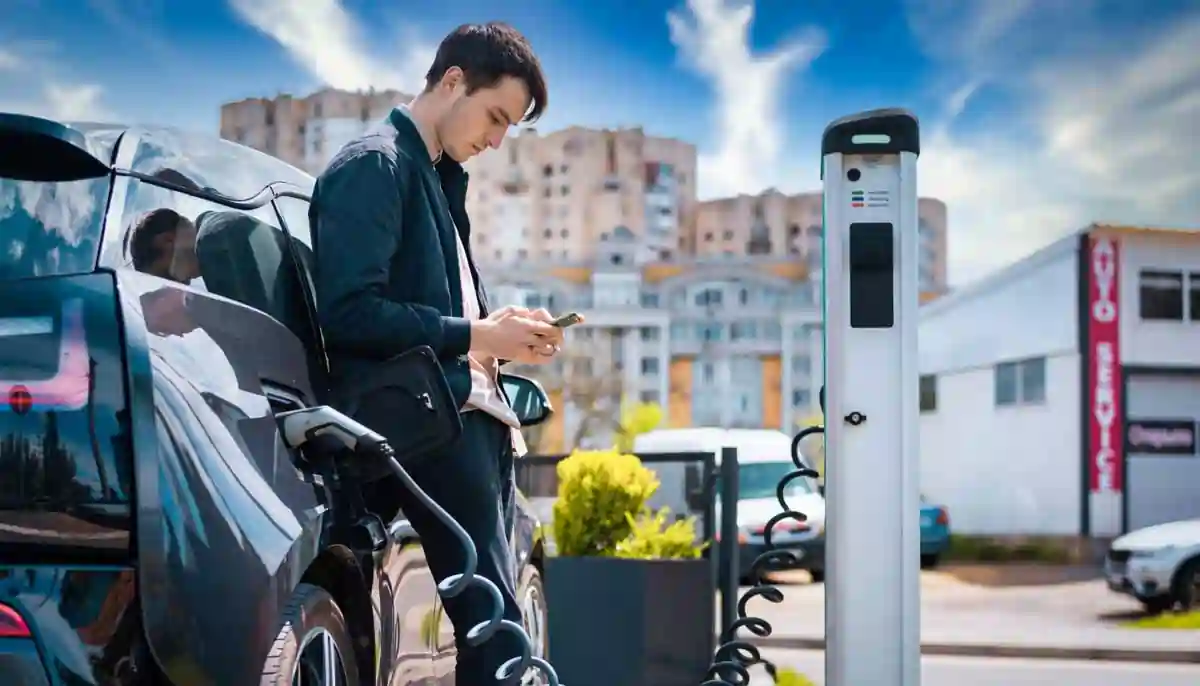
Most EV owners are overpaying every month without realizing it. The surprising part is that the problem is not the electric vehicle itself, but the way people charge it. Electric vehicles are already cheaper to run than petrol or diesel cars in countries like the United States, the United Kingdom, Germany, and Australia. However, charging costs can still vary massively depending on habits, timing, and charging method.
This is where EV charging hacks come in. These are simple but powerful strategies that can reduce your charging bill significantly, improve battery life, and make EV ownership far more efficient.
In this guide, you will discover seven practical EV charging hacks used by experienced EV owners worldwide to reduce unnecessary costs. Some of these methods are already saving drivers hundreds or even thousands of dollars per year.
Why Most EV Owners Are Losing Money Without Knowing It
Electricity pricing is not fixed. In many countries, it changes depending on demand, location, and time of use. Yet most EV owners simply plug in their vehicles without considering when or how they are charging.
This leads to three common mistakes:
- Charging during expensive peak hours
- Overusing fast charging stations
- Ignoring battery health optimization
Each of these mistakes slowly increases long-term EV ownership costs. The good news is that all of them can be fixed easily using the right EV charging hacks.
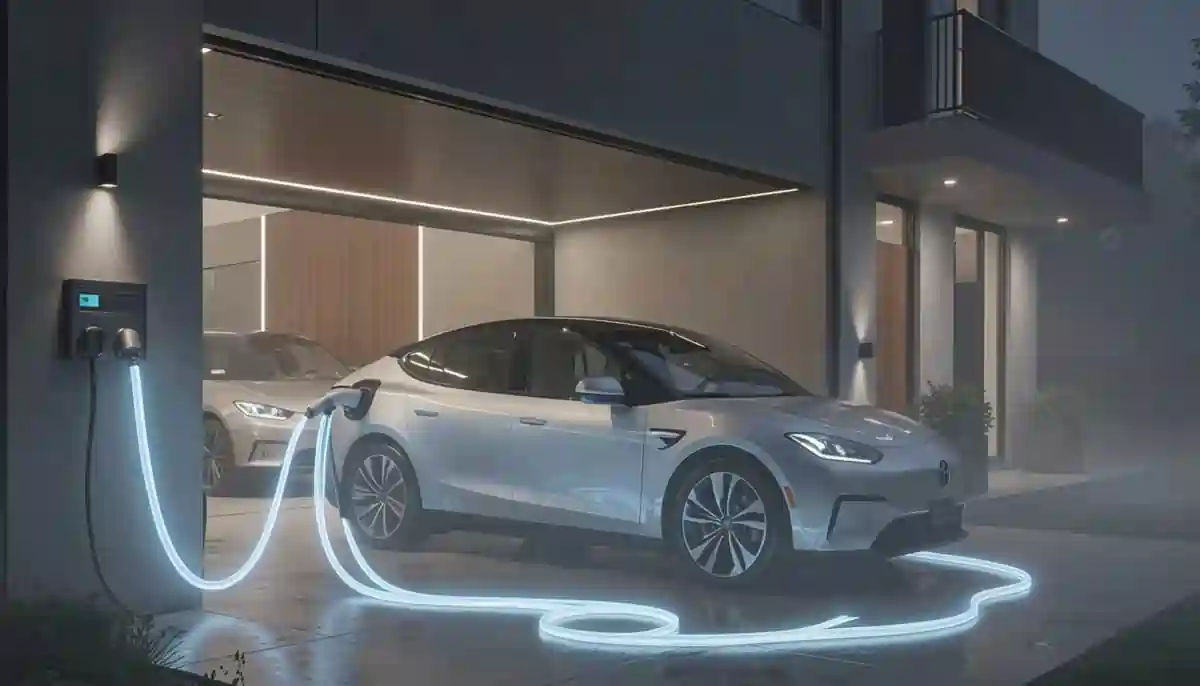
1. The Midnight Charging Strategy That Cuts Costs Immediately
One of the most effective EV charging hacks is shifting charging time to off-peak hours. Electricity companies in countries like the USA and UK offer Time-of-Use pricing, where electricity is significantly cheaper at night.
For example, in California and New York, nighttime electricity rates can be up to 50 percent lower than daytime rates. EV owners who schedule charging after midnight often see immediate reductions in their monthly electricity bills.
In Germany and France, smart meters automatically apply lower overnight rates, making nighttime charging the most cost-efficient option.
This simple habit requires no equipment changes. It only requires awareness and scheduling, yet it delivers one of the highest savings among all EV charging hacks.
2. Why Fast Charging Is Secretly Increasing Your Expenses
Fast charging feels convenient, but it is one of the most expensive ways to charge an electric vehicle. In the United States, fast charging networks like Tesla Superchargers and Electrify America often charge significantly higher rates per kilowatt-hour compared to home electricity.
On average, home charging costs around 0.12 to 0.16 dollars per kilowatt-hour, while fast charging can range between 0.35 and 0.60 dollars per kilowatt-hour. This means a full charge can cost three to four times more at a fast charger than at home.
In Europe, especially in countries like Norway and the Netherlands, fast charging is widely available, but frequent usage still leads to significantly higher annual costs. This makes reducing fast charging one of the most important EV charging hacks for long-term savings.
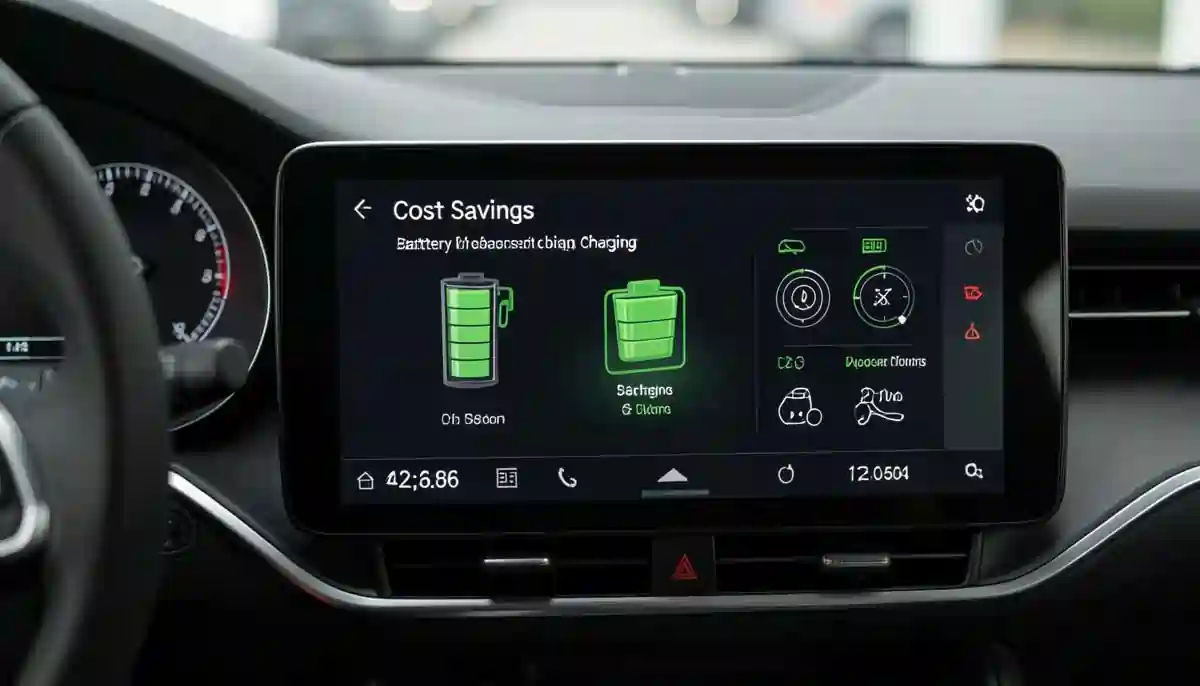
3. The Battery Rule That Extends EV Lifespan
Battery health plays a major role in long-term EV costs. One of the most important EV charging hacks is maintaining your battery between 20 percent and 80 percent for daily use.
Lithium-ion batteries degrade faster when they are regularly charged to 100 percent or drained to very low levels. Keeping the battery within a moderate range reduces stress and improves long-term performance.
In Norway, where EV adoption is the highest in the world, most drivers follow this rule to preserve battery efficiency over many years of use.
This approach does not just save money on charging. It also delays potential battery replacement costs, which are among the most expensive parts of EV ownership.
4. Smart Charging Apps That Work in the Background
Modern EVs come with built-in apps that can significantly improve charging efficiency. Many drivers ignore these features, even though they are one of the simplest EV charging hacks available today.
Brands like Tesla, Ford, and Hyundai allow users to schedule charging automatically based on electricity prices. This ensures that the vehicle charges only when electricity is cheapest.
In the United States, most Tesla owners already use scheduled charging to take advantage of overnight electricity rates. This removes the need for manual monitoring and ensures consistent savings every month.
Some advanced systems even connect with home energy setups, allowing EVs to charge when solar energy is available or when grid demand is low.
5. Home Charging Advantage Most People Underestimate
Home charging remains one of the strongest EV charging hacks available globally. It is consistently cheaper and more predictable than public charging stations.
In Canada, studies show that EV owners can reduce charging costs by up to 70 percent when they rely primarily on home charging instead of public stations.
In Australia, many households combine solar panels with EV charging systems. This allows them to charge vehicles during the day using free solar energy, drastically reducing electricity expenses.
While installing a home charging station may require an initial investment, it quickly pays for itself for regular EV users.
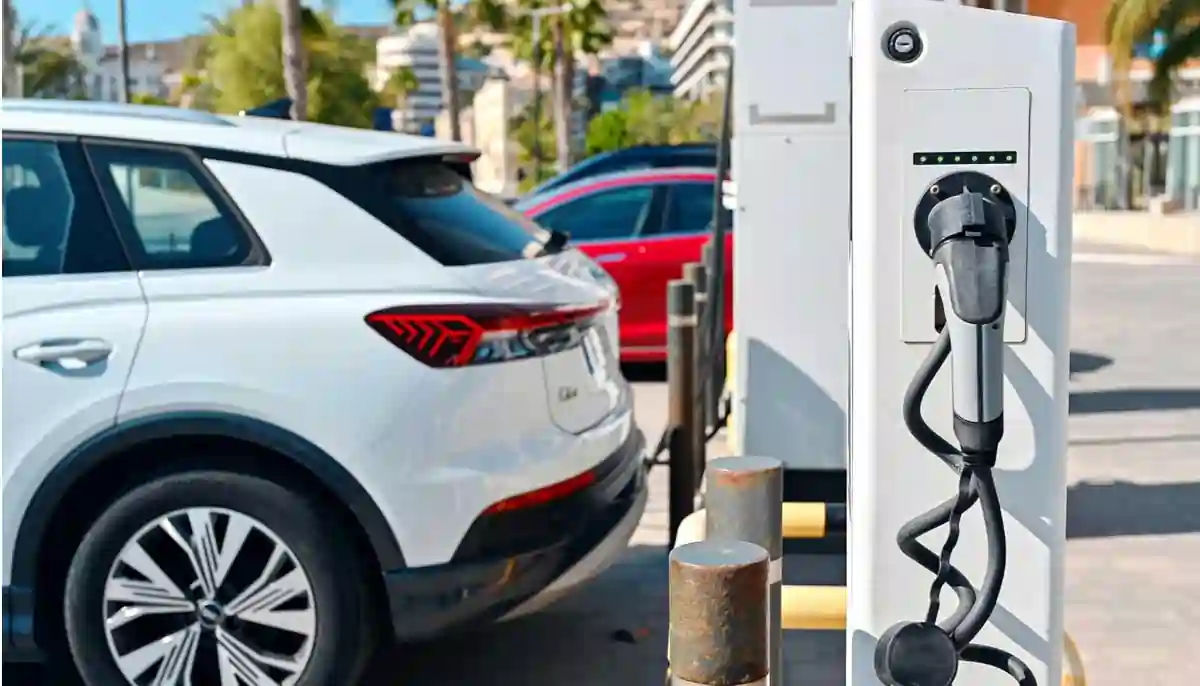
6. The Hidden Energy Loss From Incorrect Tyre Pressure
One of the least known EV charging hacks is maintaining the correct tyre pressure. Under-inflated tyres increase rolling resistance, which forces the vehicle to use more energy for the same distance.
Studies conducted in the United Kingdom and Germany show that proper tyre pressure can improve EV range by 5 to 10 percent.
This improvement means fewer charging sessions over time and lower electricity consumption. Even small pressure differences can have a noticeable impact on long-distance driving efficiency.
See Also: Smart city energy system green tech.
7. Traffic Conditions Are Quietly Increasing Your Charging Costs
Driving conditions directly affect EV efficiency. Stop-and-go traffic consumes significantly more energy compared to smooth highway driving.
In cities like Los Angeles, London, and Berlin, EV owners often experience reduced range during peak traffic hours due to constant braking and acceleration.
Using navigation apps to avoid congestion is one of the simplest EV charging hacks that improves efficiency without any hardware changes.
Smoother driving routes result in lower energy consumption and fewer charging cycles over time.
Cost Breakdown That Most EV Owners Ignore
To understand the real impact of EV charging habits, consider this example using a 60-kilowatt-hour battery similar to a Tesla Model 3.
Home charging cost:
- 0.15 dollars per kilowatt-hour
- Total cost per full charge: 9 dollars
Fast charging cost:
- 0.40 dollars per kilowatt-hour
- Total cost per full charge: 24 dollars
Difference per charge: 15 dollars
If a driver charges twice per week, the monthly difference becomes approximately 120 dollars. Over a year, this results in more than 1400 dollars in unnecessary expenses.
This clearly demonstrates how EV charging hacks can significantly impact long-term ownership costs.
Why Small Habits Create Big Savings
Most EV owners focus only on the vehicle, not the behavior. However, charging habits have a direct impact on the total cost of ownership.
Small changes like adjusting charging time, using home charging, or maintaining tyre pressure can combine to create substantial savings over time.
The key idea behind EV charging hacks is not complexity, but consistency. Even one or two habits can reduce monthly costs noticeably.
FAQs About EV Charging Hacks
Are EV charging hacks really effective?
Yes, EV charging hacks can reduce electricity costs by 30 to 70 percent, depending on usage patterns and location.
Is fast charging harmful for EVs?
Occasional fast charging is safe, but frequent use increases cost and may affect long-term battery efficiency.
What is the cheapest way to charge an EV?
Home charging during off-peak hours is the most cost-effective method globally.
Do EV charging hacks work for all EV brands?
Yes, these strategies apply to all major EV brands,s including Tesla, BMW, Hyundai, Ford, and Volkswagen.
Can driving style affect EV charging cost?
Yes, smooth driving improves range and reduces the frequency of charging.
Final Thoughts
EV ownership is already more economical than traditional fuel vehicles, but most people fail to realize how much money they lose due to inefficient charging habits.
By applying these EV charging hacks consistently, drivers can significantly reduce electricity costs, extend battery life, and improve overall efficiency.
The difference between an expensive EV experience and a cost-effective one often comes down to simple decisions made every day.
These EV charging hacks are already widely used in advanced EV markets such as the United States, Europe, and Australia. As EV adoption continues to grow globally, these habits are becoming essential knowledge for every EV owner.