
AI Video Cloning: 5 Shocking Uses You Must Know
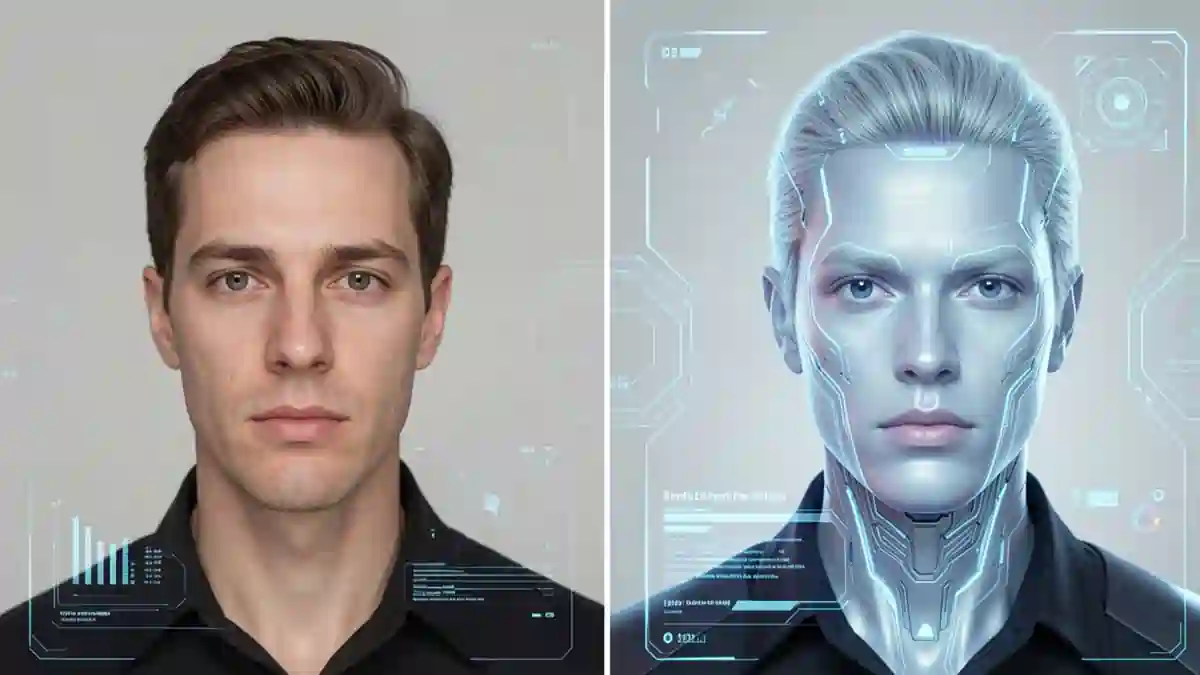
Scroll through social media today, and you might notice something strange. A creator appears to speak multiple languages perfectly, or a person delivers a message that looks real—but something feels slightly off. In many cases, the video was never recorded the traditional way.
This is happening because of AI Video Cloning, a technology that can generate realistic videos of people speaking without filming new footage. What once required cameras, lighting, and hours of editing can now be done with just a script and a few clicks. It’s similar to how future space technologies are transforming modern exploration.
From influencers to businesses, more people are experimenting with this technology. And as these videos spread across platforms, many viewers don’t even realize they are watching AI-generated content.
So how does AI Video Cloning actually work, and why is it suddenly everywhere?
Table of Contents
What Is AI Video Cloning?
AI Video Cloning is a technology that creates realistic videos of a person speaking, even when they never recorded those exact words. It works by studying facial movements, voice patterns, and speaking style.
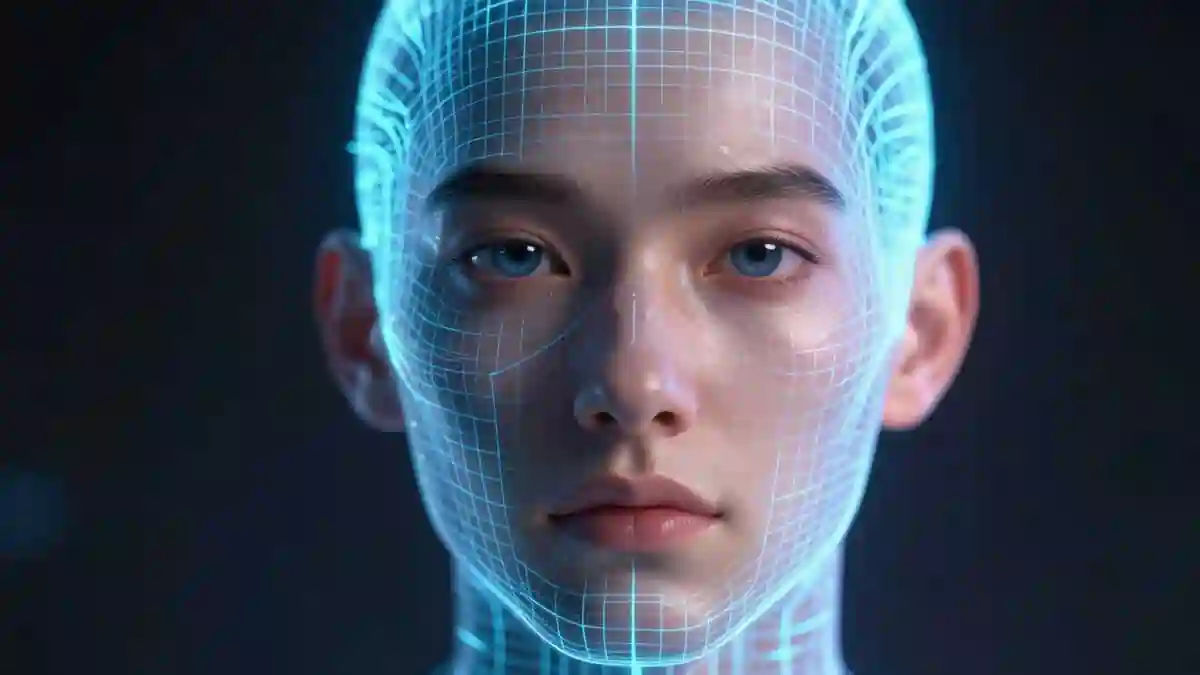
To create a clone, users usually upload a short video or a few images. The AI analyzes how the person moves their lips, blinks, and changes expressions while speaking. Once the system learns these patterns, it can generate new videos that look surprisingly real.
Instead of recording fresh footage every time, users simply type text. The AI converts that text into speech and matches it with the cloned face. Within minutes, a new video is ready.
This simple workflow is one of the biggest reasons why this technology is spreading so quickly.
How AI Video Cloning Actually Works
Step 1 — Capturing Face and Voice
The first step involves collecting visual and audio data. This usually includes short video clips showing different facial expressions and speaking styles.
The AI studies tiny details—how lips move, how eyebrows shift, and how the voice changes tone. These small patterns help the system understand how a person naturally communicates.
Step 2 — Training the AI Model
After collecting the data, the AI builds a digital model of the face and voice. This model becomes a virtual version of the person.
It learns how to synchronize speech with lip movement. It also adapts to different tones and speaking speeds. The more data the system receives, the more accurate the clone becomes.
Step 3 — Generating New Videos
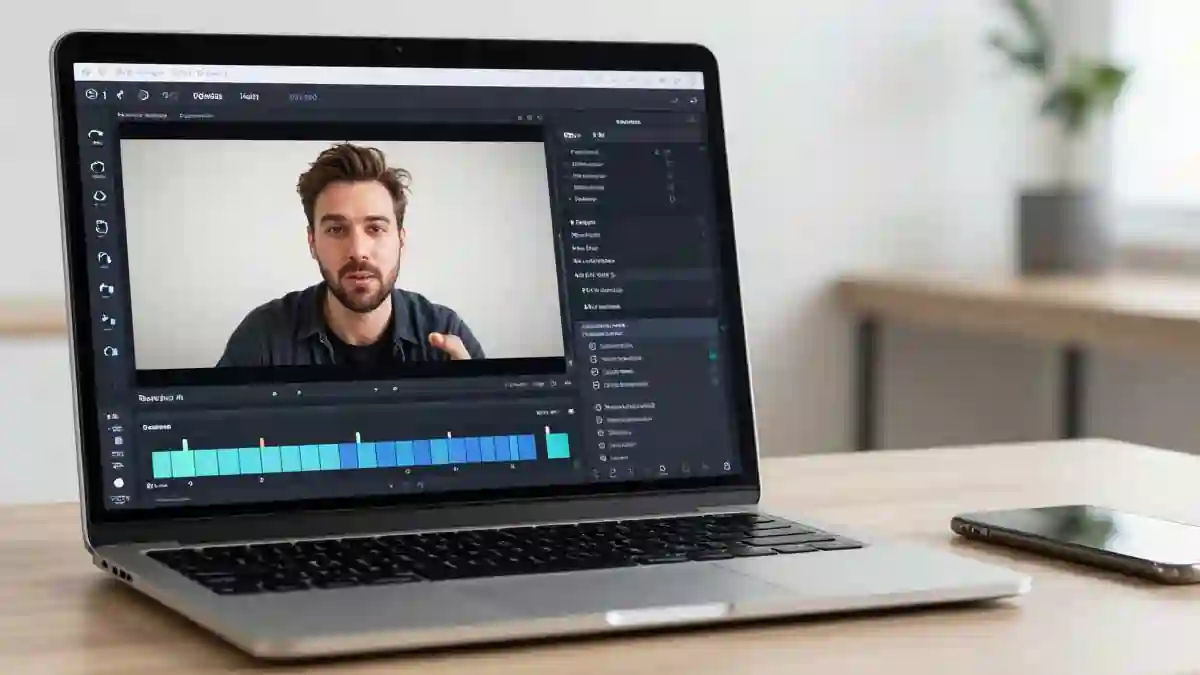
Once the model is ready, users simply type a script. The AI converts the script into speech and creates matching facial movements using AI video generation platforms that automate video creation.
Within seconds or minutes, a new video appears. No camera. No microphone. No retakes.
This automation is what makes this technology incredibly powerful—and highly viral.
Why AI Video Cloning Is Suddenly Going Viral
One major reason behind the rise of AI Video Cloning is speed. Creating video content used to take hours or even days. Now it can happen in minutes.
Content creators are using AI to post more frequently without recording themselves every time. Businesses are producing marketing videos without hiring actors. Even small creators can generate professional-looking content from their laptops.
Social media platforms have also played a big role. Short-form videos dominate feeds today, and creators constantly look for faster ways to produce content. AI Video Cloning fits perfectly into this trend.
As more people discover the technology, the number of AI-generated videos continues to grow.
Real-World Uses of AI Video Cloning
Modern AI tools are becoming part of everyday innovation, much like real-world energy innovations that are changing how technology integrates into daily life.
Many businesses now rely on AI avatar video tools to produce marketing and training videos quickly.
1. Social Media Content Creation
Influencers use AI to create videos without setting up cameras or lighting. Some creators generate daily content even when they are traveling or busy.
This allows faster posting and consistent engagement with followers.
2. Online Education
Teachers and educators are using AI-generated presenters to create lessons. One video can be translated into multiple languages without recording again.
This makes learning content more accessible worldwide.
3. Business Marketing
Companies use cloned presenters to explain products and services. Marketing teams can update scripts quickly without scheduling new video shoots.
This reduces production time and cost.
4. Customer Support Videos
Some businesses generate personalized video responses for customers. Instead of sending plain text messages, companies can deliver friendly video explanations.
This improves communication and customer experience.
5. Entertainment and Media Production
Film studios and content creators are experimenting with AI video cloning to recreate voices, generate characters, or produce special effects. This technology is becoming popular in gaming videos, movies, and digital storytelling.
Benefits of AI Video Cloning
- Saves recording time
- Reduces production costs
- Allows faster content creation
- Supports multiple languages
- Makes video production accessible to beginners
See Also: modern AI innovations
Risks and Concerns Around AI Video Cloning
Deepfake Misuse
One of the biggest risks involves fake videos. Some people may use AI to create misleading content that spreads misinformation.
This has already become a growing concern across social media. Researchers are actively working on solutions to detect manipulated videos through deepfake detection research that helps identify AI-generated content.
You can also learn how to verify visuals using AI image detection methods.
Identity Risks
Another issue is identity misuse. Someone’s face or voice could be copied without permission.
This makes privacy protection more important than ever.
Trust Issues Online
As AI-generated videos become more realistic, it becomes harder to tell what is real and what is not. This can reduce trust in online content.
That is why responsible use of AI technology is essential.
How to Spot an AI Cloned Video
- Slight delays between speech and lip movement
- Unnatural blinking patterns
- Odd facial shadows or lighting
- Robotic or overly smooth voice tone
- Lack of natural emotion changes
The Future of AI Video Cloning
Many of these predictions align with ongoing future technology developments that are shaping how humans interact with machines.
AI Video Cloning is still developing, and its future looks even more advanced.
Soon, we may see real-time AI-generated presenters speaking live during events. Virtual influencers could become more common, interacting with audiences just like real people.
Businesses might send personalized video messages automatically. News updates, customer service responses, and educational content could all be generated instantly.
As computing power increases, the realism of these videos will continue to improve.
And eventually, telling the difference between real and AI-generated content may become extremely difficult.
Should You Try AI Video Cloning?
For creators, marketers, and educators, AI Video Cloning can be a powerful tool. It saves time and allows faster content production without expensive equipment.
However, it should be used carefully. Always obtain proper permission before cloning someone’s voice or face. Ethical use is just as important as technical capability.
When used responsibly, AI Video Cloning can open new creative opportunities.
Conclusion
AI Video Cloning is rapidly transforming how videos are created and shared online. What once required professional studios can now be done with simple software tools.
Its ability to generate realistic videos quickly makes it highly attractive to creators, businesses, and educators. At the same time, the risks surrounding misuse and trust cannot be ignored.
As this technology continues to evolve, one thing is certain—AI Video Cloning is no longer a futuristic concept. It is already here, shaping the way we create and consume video content every day.
And in the near future, distinguishing between real and AI-generated videos may become one of the biggest challenges of the digital age.
FAQ Questions and Answers
What is AI Video Cloning?
AI Video Cloning is a technology that creates realistic videos of a person speaking using artificial intelligence, even if the person never recorded those exact words.
How does AI Video Cloning work?
AI Video Cloning works by analyzing facial movements, voice patterns, and expressions from sample videos. It then generates new videos based on typed text.
Is AI Video Cloning safe to use?
AI Video Cloning is safe when used responsibly with permission. However, misuse can lead to fake videos or identity-related risks.
Can AI Video Cloning create videos in different languages?
Yes, many AI Video Cloning tools can generate videos in multiple languages, making it useful for global content creation and education.
How can you tell if a video is AI-generated?
You can spot AI-generated videos by checking for unnatural blinking, slight lip-sync errors, robotic voice tones, or unusual facial expressions.