
Floating Trash Bin Tech: Seabin Ocean Cleaner Explained
Introduction: A New Kind of Ocean Problem Needs a New Solution
Plastic pollution in oceans is no longer a future problem. It is already happening at a massive scale. Every year, millions of tons of plastic enter the sea through rivers, ports, and coastal cities. Over time, this plastic breaks into smaller pieces known as microplastics, which are almost impossible to remove once they spread.
Table of Contents
Traditional cleanup methods like beach cleaning or ocean skimmers are helpful but limited. They cannot continuously operate in high-traffic water areas like marinas or harbors. This kind of innovation connects closely with future smart technology systems shaping environmental solutions.
This is where the idea of Floating Trash Bin technology comes in.
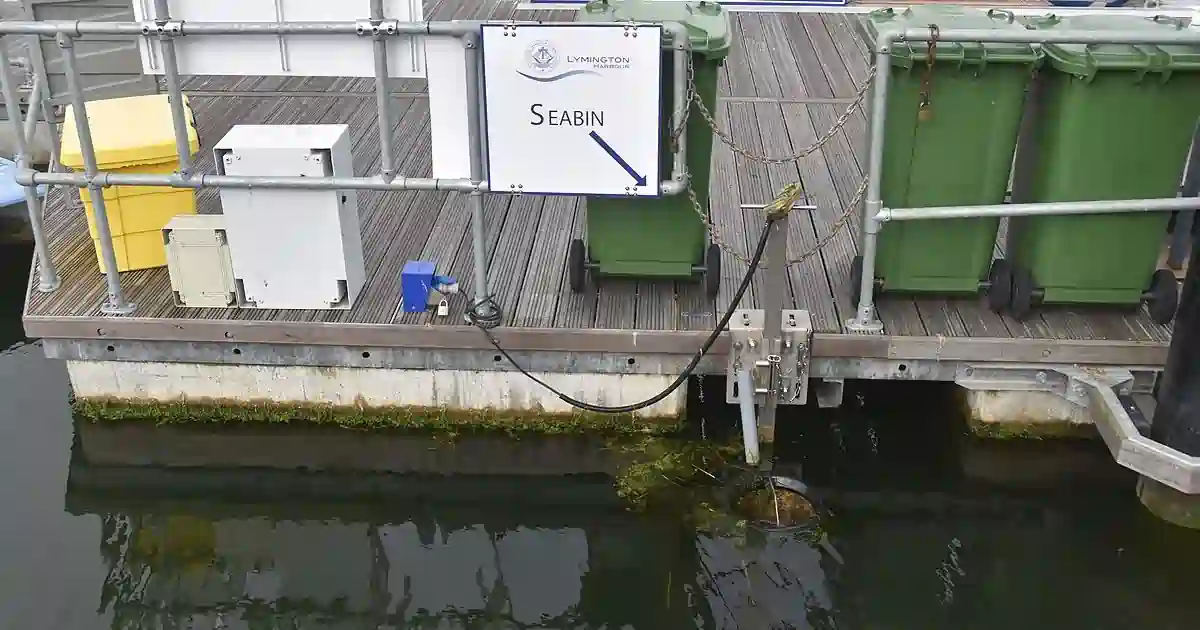
One of the most interesting innovations in this space is the Seabin ocean cleaner. It is a simple but powerful concept: a floating device that acts like a trash bin for water, continuously collecting floating debris and microplastics from the surface.
This article explains how this technology works, why it matters, and whether it can actually help solve ocean pollution.
What is Floating Trash Bin Technology?
Floating Trash Bin refers to devices designed to collect waste directly from water surfaces. Instead of waiting for plastic to reach the shore, these systems capture it early, especially in controlled environments like marinas, ports, yacht clubs, and calm coastal waters.
One of the most practical real-world solutions is the Seabin project, which is designed specifically for marina environments. The idea is simple but powerful. Water pollution is easiest to manage when it is still concentrated and floating near human activity zones.
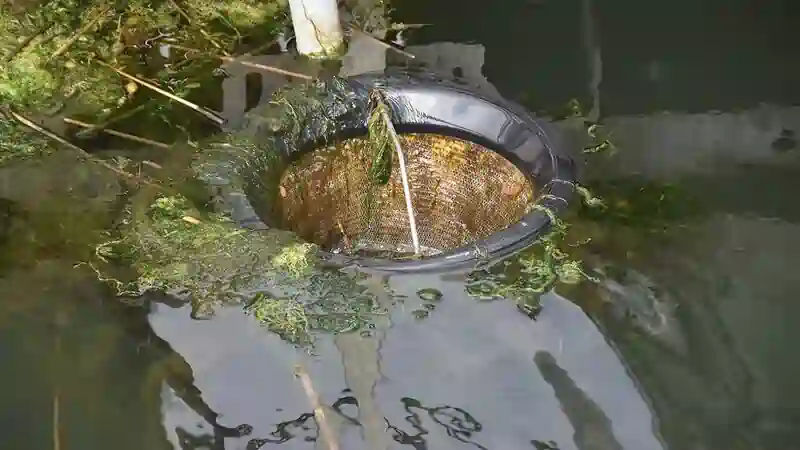
Similar concepts can also be seen in innovative smart devices designed for real-world problem solving. The Seabin is one of the most well-known real-world implementations of this concept.
What is the Seabin Ocean Cleaner?
The Seabin is a floating waste collection device designed to remove floating debris, oil, and microplastics from water surfaces. It works like a stationary trash bin installed in water. Instead of moving through the ocean, it stays fixed in one location and continuously pulls in surrounding water.
The system is usually installed in marinas where boats, waves, and human activity generate floating waste. Its main goal is not to clean the entire ocean but to prevent pollution from spreading further into open waters. More details about how the system is built and deployed can be found in its official documentation.
How the Seabin Actually Works
The working principle behind the Seabin is surprisingly simple yet effective.
Here is how it operates step by step:
- A small submersible pump draws water from the surrounding area into the device.
- As water is pulled in, floating debris such as plastic, leaves, and oil residues are also drawn toward the opening.
- Inside the device, a mesh bag captures solid waste while allowing water to pass through.
- Cleaned water is pumped back into the marina, while waste remains trapped in the bag.
- The system runs continuously as long as power is supplied, acting like a 24/7 cleaning station.
This makes it especially useful in busy water zones where pollution constantly builds up.
What Can the Seabin Collect?
The Seabin is designed to capture a wide range of floating pollutants, including:
- Plastic bags and wrappers
- Food packaging waste
- Cigarette butts
- Oil and fuel residue
- Floating microplastics
- Organic debris like leaves
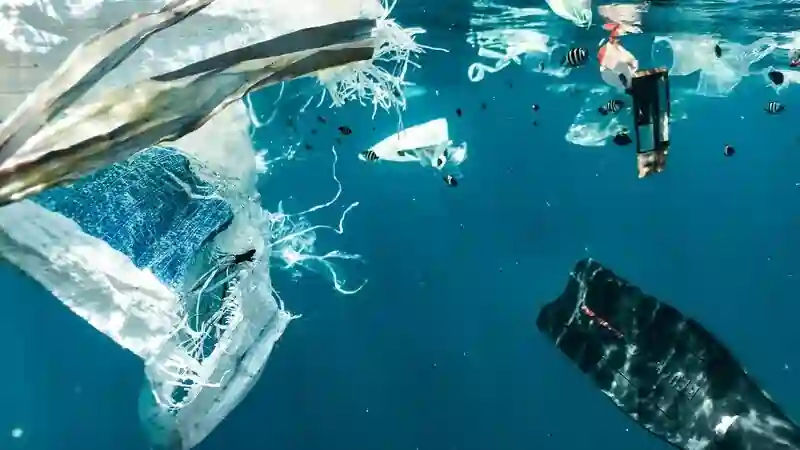
Microplastics are one of its most important targets. These tiny particles are difficult to remove using traditional methods, but the Seabin’s fine mesh filter can trap many of them before they spread further.
Why Microplastics Are a Serious Problem
Microplastics are plastic fragments smaller than 5 millimeters. They come from the breakdown of larger plastic waste, synthetic clothing fibers, and industrial materials. These environmental challenges are also discussed in internet and digital awareness technology topics.
Once in the ocean, they:
- Enter fish and marine food chains
- Travel long distances with currents
- Cannot be easily removed at large scale
This is why prevention-based systems like Floating Trash Bin technology are important. They target pollution before it becomes widespread microplastic contamination. Studies on microplastics in marine ecosystems show how deeply plastic pollution has entered the food chain.
Installation and Placement Strategy
The Seabin is not placed randomly in the ocean. It is strategically installed in areas where waste naturally collects.
Ideal locations include:
- Near boat docking areas
- Floating docks in marinas
- Calm water zones with low wave turbulence
- Areas with high human activity
Each unit can be connected to a pump system and electricity source. Some modern versions are also experimenting with solar-powered operation.
Placement is critical because the system is most effective in concentrated pollution zones rather than open seas.
Real-World Impact of Seabin Technology
Seabin devices have already been deployed in several countries and have shown measurable results.
Key impacts include:
- Continuous removal of floating waste in marina environments
- Collection of thousands of plastic items per unit annually
- Reduction of visible surface pollution in ports
- Data collection on types of marine waste
However, it is important to understand that the Seabin is not designed to clean entire oceans. Instead, it works as a localized cleanup tool.
Advantages of Floating Trash Bin Technology
- Continuous operation without human intervention
- Early pollution capture before spreading
- Simple mechanical design
- Low maintenance requirements
- Useful environmental data collection
- Scalable deployment in multiple locations
Limitations and Challenges
Despite its innovation, the technology has clear limitations:
- Limited coverage area
- Not suitable for open oceans
- Requires regular maintenance
- Needs continuous power supply
- Cannot solve global plastic pollution alone
These limitations show that Seabin is part of a bigger ecosystem of solutions, not a standalone fix.
How It Fits into Global Ocean Cleanup Efforts
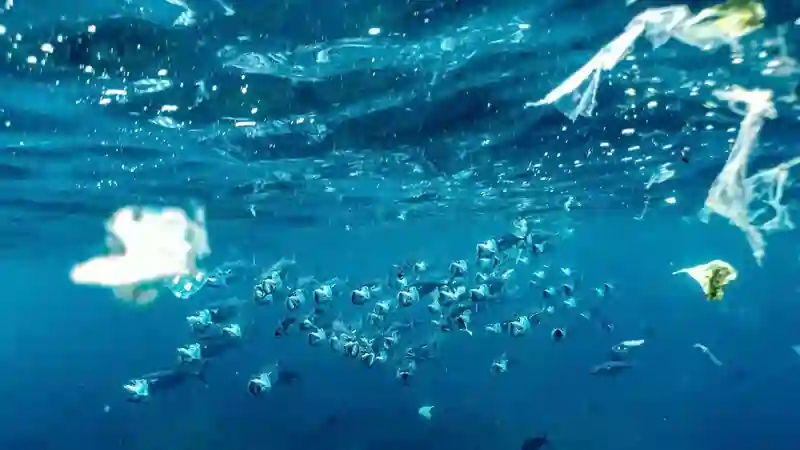
Ocean pollution cannot be solved by a single device. Instead, multiple approaches are needed:
- River cleanup systems to stop plastic at entry points
- Floating Trash Bin devices like Seabin in ports
- Large-scale ocean cleanup projects
- Improved recycling systems
- Reduction of single-use plastics
Seabin fits into the prevention and early capture category, which is one of the most effective strategies in environmental engineering. Alongside Seabin, larger initiatives like the Ocean Cleanup project are also working on reducing plastic waste in oceans.
Future of Floating Waste Technology
The future of ocean cleanup technology is moving toward smarter and more efficient systems.
Possible developments include:
- Solar-powered Seabin systems
- AI-based waste detection systems
- Autonomous floating cleanup units
- Advanced microplastic filtration materials
- Environmental monitoring networks integration
As technology improves, devices like the Seabin may become part of larger automated cleanup systems across coastal regions. Similar sustainable innovations are already being explored through walking electricity technology that generates power from human movement.
Why This Technology Matters
Even though Seabin is not a complete solution, it represents an important shift in thinking.
Instead of reacting to pollution after it spreads, Floating Trash Bin technology focuses on interception at the source.
This approach is important because:
- Prevention is cheaper than cleanup
- Early capture reduces long-term damage
- Local action can create global impact over time
It is not about cleaning the entire ocean instantly, but about stopping it from getting worse.
Frequently Asked Questions About Floating Trash Bin Technology
How much waste can a Seabin collect?
A single Seabin unit can collect several kilograms of floating waste per day, depending on pollution levels and water conditions. Over time, this can add up to thousands of plastic items collected each year.
Can Seabin remove microplastics from water?
Yes, Seabin devices use fine mesh filters designed to capture many types of microplastics floating near the water surface. This helps prevent microplastics from spreading further into marine ecosystems.
Where are Floating Trash Bin systems usually installed?
Floating Trash Bin systems are commonly installed in marinas, harbors, yacht clubs, and calm coastal areas where floating waste naturally accumulates.
Is the Seabin powered by renewable energy?
Most Seabin units use electric pumps connected to shore power, but newer versions are experimenting with solar-powered systems to improve sustainability and reduce energy use.
Can Floating Trash Bin technology clean the entire ocean?
No, Floating Trash Bin technology is designed for localized cleanup. It works best in targeted areas like marinas and ports, where waste can be captured before spreading into open ocean waters.
Conclusion
The Seabin ocean cleaner is a smart example of Floating Trash Bin technology designed to tackle marine pollution at its source. While it does not solve the entire global plastic crisis, it plays a meaningful role in reducing waste in high-impact areas like marinas and ports.
Its strength lies in simplicity. A floating device, continuously collecting waste, operating quietly in the background, preventing pollution from spreading further.
As part of a larger environmental strategy, technologies like Seabin show how engineering and innovation can contribute to cleaner oceans.
The future of ocean cleanup will not depend on one solution, but many small systems working together. And the Floating Trash Bin concept is one of the most practical steps in that direction.