How Smart City Energy Systems Are Using Green Tech Today
Cities are growing fast, and energy demand is increasing every day. Traditional power systems cannot support large urban areas efficiently. Smart city energy systems use technology and green energy to provide clean electricity. These systems include solar panels, wind turbines, smart grids, and energy-efficient buildings. They reduce pollution, save money, and make city life healthier.
1. Solar Power in Smart Cities
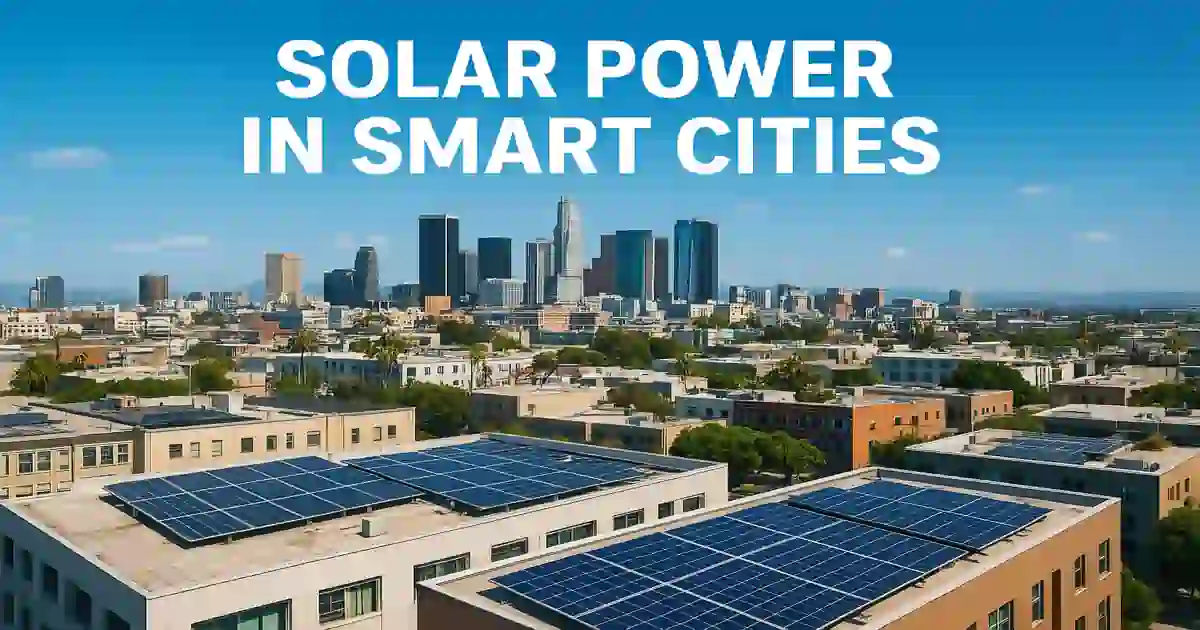
Solar power is the most common clean energy in smart cities. Homes and offices install rooftop solar panels to generate electricity daily. Solar energy works well in cities with strong sunlight during the day. Example – Los Angeles, USA, has thousands of rooftop solar panels powering homes and offices. Solar adoption helps reduce reliance on fossil fuels while saving energy costs.
My Opinion – New buildings should include solar panels from the beginning. It reduces dependence on the main grid and saves energy.
2. Smart Grids for Better Energy Management
Smart grids are the digital backbone of city energy systems. They balance electricity supply and demand automatically, reducing waste. Smart grids connect homes, EV stations, and renewable energy sources efficiently. Example – Amsterdam uses a smart grid to connect homes and businesses efficiently.
My Opinion
Smart grids are essential for managing solar and wind energy. Without them, cities cannot fully use renewable energy.
3. Wind Energy for Clean City Power
Wind power is becoming practical in urban areas with new technology. Small rooftop turbines provide clean energy without disturbing buildings. Coastal cities can use offshore wind farms for a larger energy supply. Example – Melbourne, Australia, has rooftop wind turbines and nearby offshore wind farms supplying electricity.
My Opinion – Using both solar and wind energy ensures continuous electricity availability.
4. Smart Buildings Reduce Energy Consumption
Buildings consume almost forty percent of the city’s electricity. Smart buildings reduce energy with automated lighting, heating, and cooling. Green rooftops and solar glass windows help save energy in hot weather. Example – Singapore buildings adjust cooling when rooms are empty, saving 30% electricity.
My Opinion – Green building rules should be mandatory in all new urban constructions.
5. Electric Vehicles Support Clean Transportation
Electric vehicles reduce air pollution and fuel use in cities. Smart cities provide public EV buses, scooters, and charging stations. EV adoption reduces noise and improves urban air quality. Example – Dubai, UAE, has a growing fleet of electric buses and taxis for cleaner transport.
My Opinion – Cities must build more homes and street charging points for EVs.
6. WastetoEnergy Plants Create Clean Power
Wastetoenergy plants turn garbage into electricity or biogas. These plants reduce landfill waste and generate useful urban energy. They are very useful in fast-growing and crowded cities. Example – Oslo, Norway, has a modern waste-to-energy plant producing electricity and district heating.
My Opinion – Every large city should implement waste-to-energy plants. They solve waste management and energy problems simultaneously.
7. IoT Sensors Manage Energy Efficiently
IoT sensors collect real-time data on energy and pollution levels. Smart streetlights, water meters, and energy sensors optimize city energy. They prevent unnecessary electricity use and reduce overall wastage. Example – IoT is the nervous system of smart city energy systems. Without sensors, renewable energy systems cannot work efficiently. Barcelona uses over 20,000 sensors to monitor electricity and air quality.
My Opinion – IoT is the nervous system of smart city energy systems. Without sensors, renewable energy systems cannot work efficiently.
8. Battery Storage Supports Renewable Energy
Solar and wind power work only during specific weather conditions. Battery storage stores extra energy for use during peak demand. It also helps electric vehicles charge efficiently and quickly. Example – Australia’s Hornsdale Power Reserve stores renewable energy and prevents blackouts.
My Opinion – Battery storage is expensive now, but costs will decrease soon. It is essential for reliable smart city energy systems.
9. Green Public Spaces Reduce Energy Use
Trees and parks help cities stay cooler during the summer months. Cooler cities require less electricity for their air conditioning systems daily. Green zones improve air quality and make cities more pleasant to live. Example – Bangkok, Thailand, has invested in green zones and urban parks to reduce city heat.
My Opinion – At least twenty percent of every smart city area should be green. Green spaces conserve energy and enhance the quality of life for residents.
10. Smart Water Systems Generate Clean Energy
Some cities use water systems to produce electricity efficiently. Microhydro turbines in water pipes create energy from flowing water. Smart meters prevent leaks and improve water and electricity efficiency. Example – Tokyo generates electricity using microhydro turbines inside city water pipes.
My Opinion – Using water systems for energy is an innovative solution for cities.
Final Thoughts
Smart city energy systems combine technology, green energy, and planning. They reduce pollution, save money, and provide reliable electricity for cities. Citizens, governments, and companies must all participate for maximum results.
Clean energy technologies are no longer optional—they are essential for the future.
Conclusion
Solar panels, wind turbines, IoT sensors, EVs, and smart buildings work together. Smart city energy systems make cities cleaner, greener, and more efficient. Green technology is the foundation of future urban life and energy.