10 Proven Ways Gaming Affects PC and Hardware Lifespan
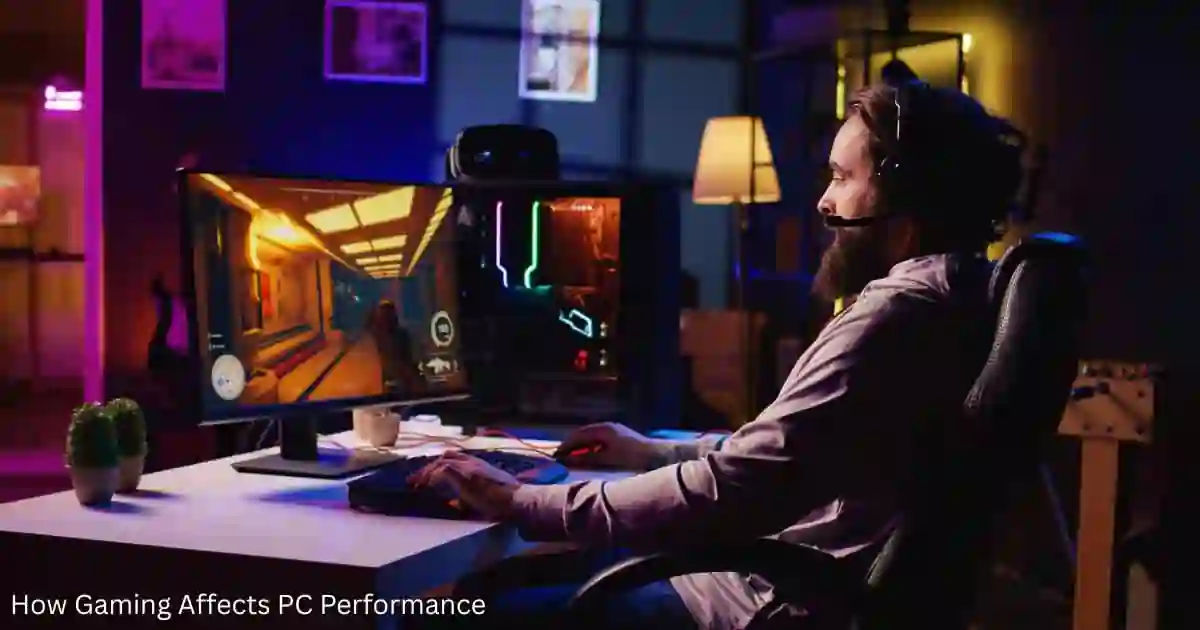
Gaming has become a significant pastime for a large number of people. Many gamers wonder how gaming affects PC performance. The majority of them are curious about how playing games impacts their PC performance. Games put a heavier load on your computer than any average software does. They consume a lot of resources, especially if we are talking about the processor, memory, and graphics. Besides, your cooling system and storage speeds will also be challenged. They consume a lot of resources like the processor, memory, and graphics. Your cooling system and storage are also tested. Over time, heavy gaming can age your hardware faster.
How Gaming Affects PC Performance & Hardware
Modern games are demanding software. They require high CPU, GPU, and RAM usage. When you play games, the processor runs at high speeds. The graphics card works harder to render images smoothly. Memory is filled with temporary game data for speed. Storage devices store textures and files for quick access. All these processes can cause your PC to overheat. This is one way gaming affects PC performance. Heat is a critical factor in hardware lifespan. The more your PC heats, the faster components can degrade. Gaming affects the PC in ways normal software does not.
Gaming Impact on CPU & GPU
The CPU handles game logic and background processes. The GPU renders images and ensures smooth visuals. Intense gaming forces both to operate near maximum capacity. Long sessions can increase temperature and power draw. Continuous heat can shorten the CPU and GPU lifespan. Fans work harder, and dust accumulation worsens cooling. Overclocking worsens the risk if not managed properly. Thermal throttling reduces performance to prevent damage. Gaming affects PC performance because high temperatures reduce smooth gameplay. Regular cleaning and monitoring of temperature can protect your components.
Gaming Effects on Memory & Storage
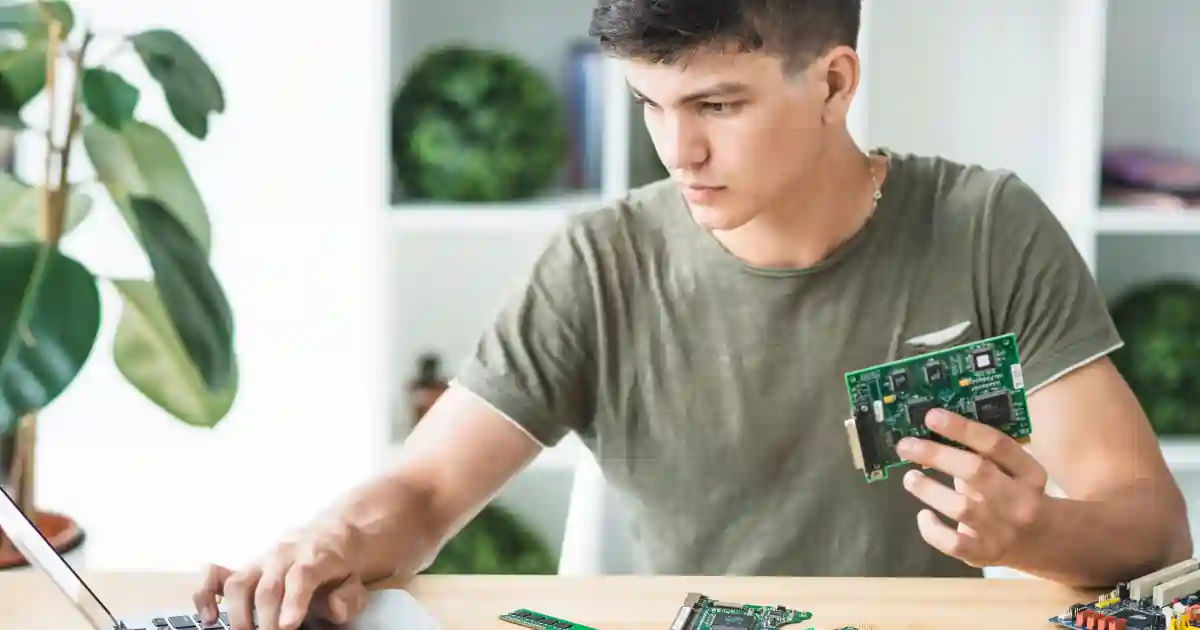
Games demand a lot of RAM. Running many apps alongside games can slow performance. Storage devices also face stress during gaming. Games read and write large files constantly. SSDs may wear slightly faster than normal usage. Hard drives produce more heat with continuous data access. Fragmentation can also slow older HDDs during gaming. Gaming affects PC memory by using RAM for temporary game data. Managing background apps and updating storage can improve performance. Using enough RAM prevents game stuttering and freezes.
Gaming & PC Cooling Management
Heat is definitely the biggest threat to PC hardware. Fans, liquid coolers, and fresh air take care of parts. If cooling is not done properly, it will lead to overheating and a short circuit of the board. When dust accumulates, it blocks the air path, and the heat problem gets worse. Running games is one of the heavy tasks that causes an increase in the temperature of the CPU. If the PC is too hot, it may result in an instant reboot or a permanent malfunction of some parts.
Gaming temperature should be kept under control by using a monitoring software application. You may want to heed the fan schedule or clean the device on a regular basis. The thermal paste may become dry after a long time, and therefore, a replacement is necessary. A well-cooled system ensures smooth gameplay and reduces hardware wear.
Gaming Impact on Power Supply
High-end games need stable power. CPUs and GPUs draw more electricity during gaming. A weak power supply can cause voltage drops or instability. Over time, this can damage components and reduce lifespan. Gaming affects PC hardware because unstable power stresses circuits. Using a quality PSU ensures consistent power delivery. Power management settings can reduce unnecessary energy draw. Avoid cheap PSUs for gaming rigs. They may fail under high load and cause system issues.
Gaming Performance During Long Sessions
Short gaming sessions put minimal strain. Long or daily marathon sessions push components hard. Extended sessions increase heat, fan wear, and power usage. High FPS gaming also increases GPU load. VR and 4K games demand more resources. So, how gaming affects PC performance depends on session length and intensity.
. Breaks allow components to cool and reduce wear. Monitoring session length helps maintain performance. Adjusting graphics settings reduces stress on hardware. Moderation keeps both performance and hardware lifespan optimized.
Overclocking & Gaming Impact on Hardware
Overclocking temporarily boosts CPU or GPU performance. It pushes hardware beyond manufacturer limits. Gaming affects PC lifespan more if overclocked aggressively. Improper settings may cause crashes or damage hardware. Monitor temperatures and stability when overclocking.
Gradual tuning is safer than extreme overclocking. Most gamers have been able to get performance improvements without jeopardising their equipment through careful use. Proper cooling and a reliable power supply are part of the essentials. Overclocking may bring benefits, but it is necessary to be very careful so as not to end up damaging your hardware.
Software & Driver Updates for Gaming PCs
Keeping drivers updated improves performance. Graphics drivers optimize game rendering. System updates fix bugs and enhance stability. Outdated drivers can reduce frame rates and cause crashes. Gaming affects PC software if drivers are outdated. Clean software installations prevent unnecessary background load. Monitoring updates ensures your hardware runs efficiently. Game patches often reduce unnecessary resource usage. Performance improvements reduce stress on CPU and GPU. Regular updates keep gaming smooth and protect the PC’s lifespan.
Signs Your PC is Struggling
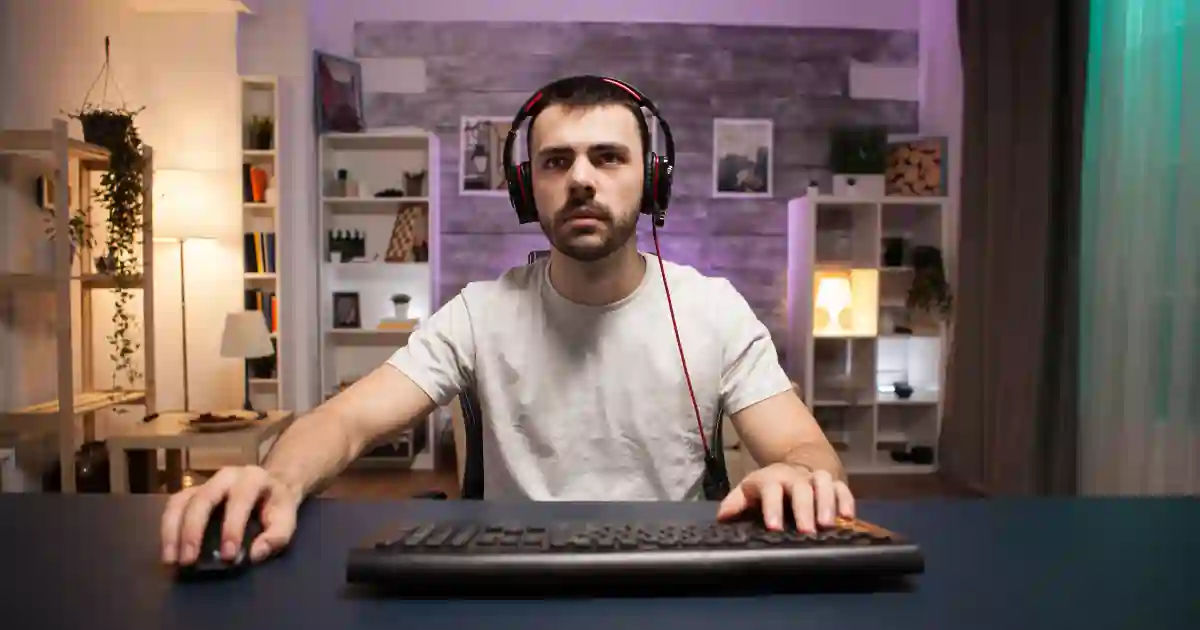
Low frame rates, stuttering, and overheating indicate stress. Fans running constantly or loud noises show a high load. Slow load times and crashes signal memory or storage issues. Gaming affects PC health if these signs appear. Monitoring temperatures and resource usage can help prevent damage. Check CPU, GPU, and RAM performance with software tools. Cleaning dust and checking cooling solves most problems. Early attention prolongs hardware lifespan. Ignoring signs may cause permanent damage to expensive components.
Tips to Maintain PC Performance
- Take regular breaks
- Check temperatures during long gaming sessions
- Clean dust from fans and vents
- Apply quality thermal paste on the CPU and GPU
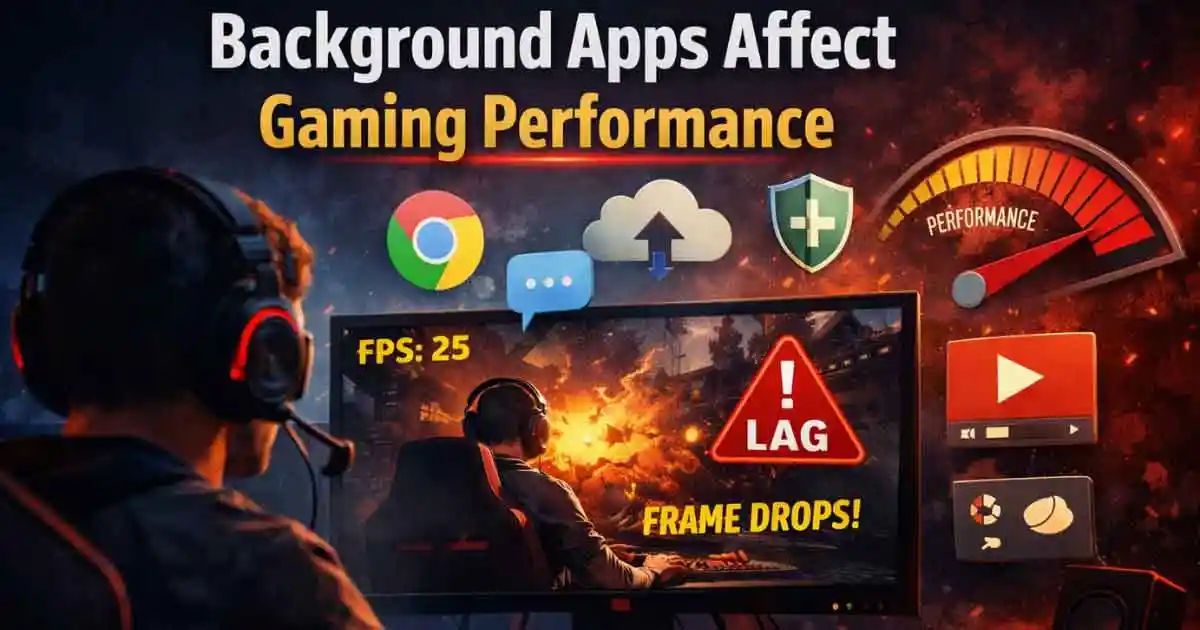
- Avoid running multiple heavy apps while gaming
- Use a reliable power supply
- Update drivers and system software
- Use cooling pads or extra fans
Conclusion: Gaming & PC Lifespan
Gaming can be really enjoyable, but at the same time, highly demanding of the PC. High resource use, heat, and power draw affect performance. Gaming affects PC lifespan depending on intensity and maintenance. Proper cooling, monitoring, and updates improve performance. Avoid extreme overclocking and long sessions without breaks. Use clean components and quality hardware. Gaming responsibly ensures enjoyment and system longevity.