Google Pixel 10a Leak Reveals Design and Hardware Details
There have been several leaks and renderings related to the next device in Google’s mid-range lineup, commonly referred to as the Google Pixel 10a. While the details have not been verified, these leaks prompt an examination of the company’s strategy in the low-end sector and the potential compromises that may accompany a model that is ostensibly of lower cost. I first examined the design, hardware, and specification sheet rumors of the Pixel 10a, then considered the impact on buyers’ expectations and competition at this price level.
Design & Visual Identity
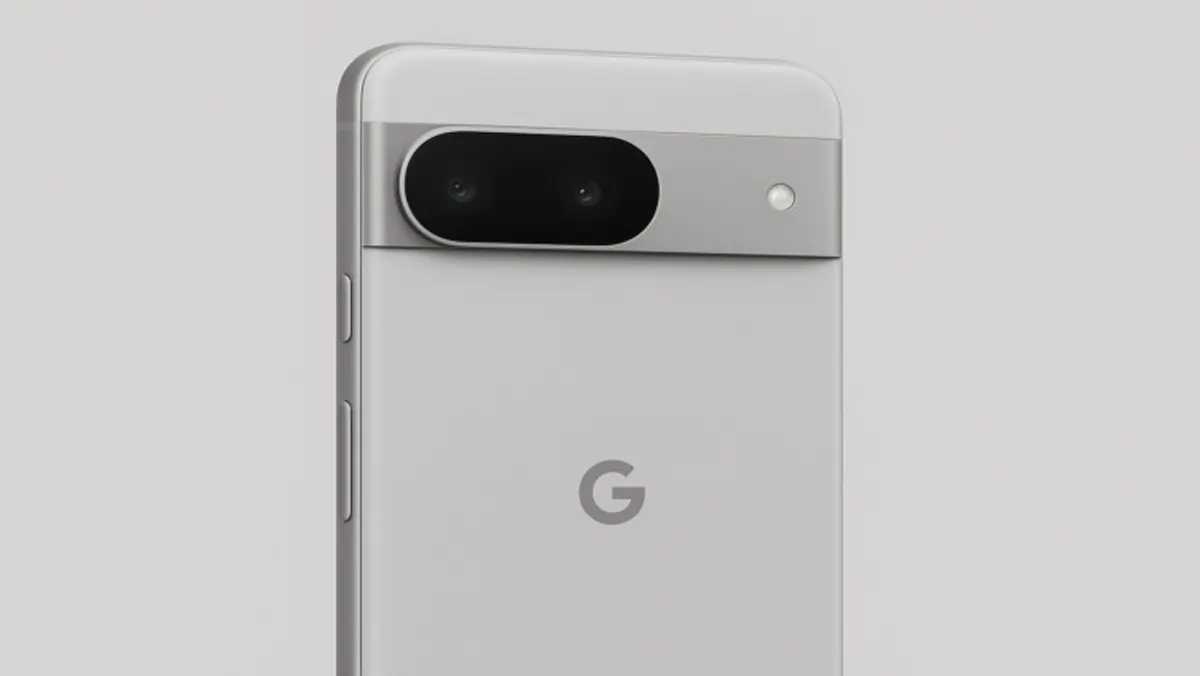
Leaked CAD images reveal that the Google Pixel 10a is keeping a large percentage of the design of the Pixel 9a. From the perspective of design theory, this can be interpreted as Google choosing to maintain the existing design concept rather than radically changing it. On the one hand, this conservatism might aid brand recognition and cost control; on the other, it may heighten concerns about “incrementalism” in a segment where visual refresh can be a key differentiator.
Hardware & Specification Leaks
Processor & Storage
A big leak indicates that the Pixel 10a may be powered by the Tensor G4 chip instead of the newer Tensor G5 that is used in the top-end models of Google. From a critical vantage, one might interpret this as a cost-management decision–one which could, however, diminish the perceived value of the device in a highly competitive mid-range market.
Cameras & Display
With respect to imaging hardware, the reports indicate the omission of a telephoto lens in the Google Pixel 10a’s rear setup – contrasting with the base Pixel 10 model. The display is expected to remain approximately 6.3 inches.
Positioning and Market Implications
In the context of smartphone market stratification, the “a-series” has historically allowed Google to offer access to its ecosystem.. The rumors around the Google Pixel 10a suggest that Google may once again aim for this cost-conscious segment. Some analysts suggest that this move might create tension: customers might expect “flagship features at budget cost,” and the perceived gap between the “a” model and the standard model may widen. Thus, the question for Google and for consumers alike is whether the value proposition remains compelling in spite of trade-offs.
Critical Reflections
While leaks should always be treated with caution, three points merit special reflection:
- Temporal lag vs innovation: If the Pixel 10a uses recycled components (e.g., the Tensor G4), then the pace of innovation in the mid-range is arguably being compromised.
- Feature-set as differentiation: The decision to omit a telephoto lens, or to retain older storage architecture, means that the Pixel 10a may increasingly be perceived as a “step‐down” rather than simply a “less expensive” variant. That may affect consumer perceptions and ultimately resale value and brand loyalty.
- Competitive dynamics: Competitive dynamics: The Google Pixel 10a’s compromises could potentially diminish its competitive power in a sector where opposing manufacturers are fiercely promoting charging speeds, display refresh rates, and multi-camera systems. Users who are highly feature-driven may gravitate elsewhere.
Conclusion
Basically, the data Pixel 10a leaks are telling a story of a gadget that, according to the strategy, is very much dominated by cost control and slight changes. That can be the case where consumers get the device for a lower price, but it also leaves a question of whether the hardware and feature cuts will impact the device’s value and its place in the market over time.
As leaks have not been confirmed and the launch is still a few days away, it would be better to take it with a grain of salt: Google can still feature changes, pricing, or positioning before the release. Nevertheless, to the scholars of smartphone markets, the Pixel 10a turns out to be an excellent case of the delicate balancing act between price, features, and branding.